Hollis & ReeseCriminal defense · Detroit

Say nothing.
Then call.

You can stop answering questions at any point — even if you have already started, and even if you think you have said too much. Say that you want a lawyer, and then stop talking. That is not an admission of anything.

(313) 555-0188 Answered by an attorney. Any hour, including tonight.
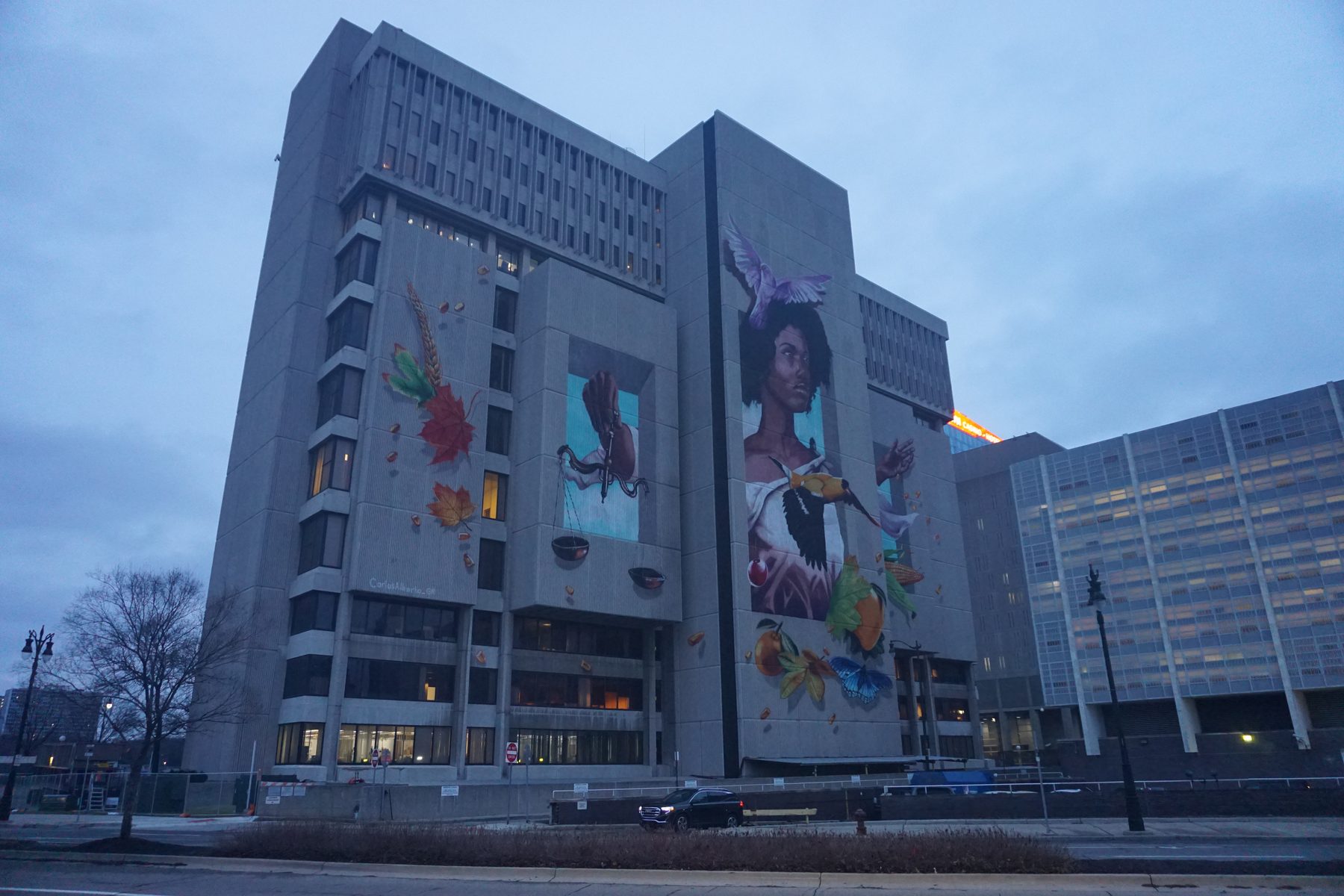
Frank Murphy Hall of Justice in Detroit at dusk — a concrete tower carrying a large painted mural, seen from the street.
Frank Murphy Hall of Justice, 1441 St Antoine. If the charge is a Wayne County felony, this is the building. We are eleven minutes from it on foot.

Your attorneys

Marcus Hollis & Dana Reese

Hollis brings experience from the Wayne County public defender’s office. Reese joined from the appellate division in 2019. The phone is answered by an attorney, including after hours.

Meet the practice →

Tab 01 — The first 48 hours

Do these five things, in this order.

This is the advice we would give you on the phone. It is here so you have it before you call, and so you have it if you decide to call somebody else.

Right now Stop talking about the case. Not to the officer, not to the other person involved, not on the jail phone — those calls are recorded and they are routinely used. Say clearly that you want a lawyer, and then stop. Repeating it is fine. Explaining yourself is not.
Within an hour Write down what happened while it is fresh. Times, names, who was present, what was said, what was searched and whether anyone asked permission. Keep it for your lawyer. Do not post any of it.
Before arraignment Get a lawyer on it before you stand up in court. Arraignment is where bond is set. Someone who knows the district and can speak to your ties, your work and your record is worth more at that hearing than at any later one.
First 24 hours Preserve anything that decays. Phone location history, texts, doorbell and dashcam footage, and the names of anyone who saw it. Most home camera systems overwrite within days, and a witness's memory is best on day one.
Do not Contact the complaining witness. Not to apologize, not to clear it up, not through a friend. In a domestic or assault matter this is the single most common way a case gets worse, and it can produce a new charge on its own.

Tab 02 — What we defend

The charge is not the whole story.
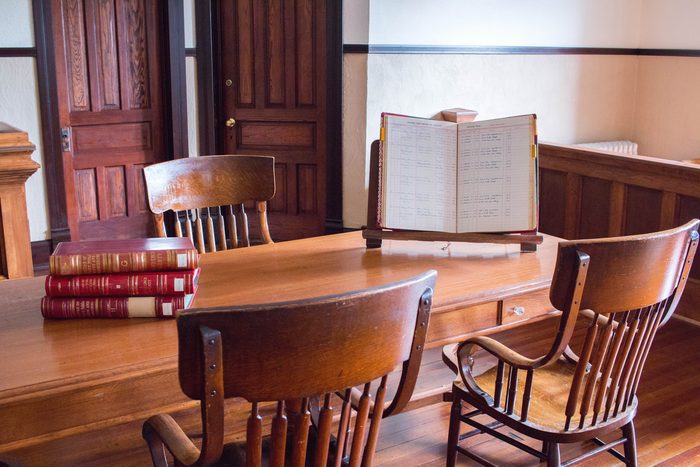
Close on a counsel table in a courthouse: an open ledger on a stand, a stack of bound law books and two spindle-back chairs.
The file gets read across a table like this one, line by line, before anybody tells you what it is worth.

What a case is worth defending on is rarely the headline offense. It is usually the stop, the search, the identification, or what was actually said. These are the matters we take.

Drunk driving OWI, OWVI, and the high-BAC charge. Usually turns on the reason for the stop, how the field tests were administered, and the maintenance record of the machine. District court
Domestic violence Often charged on a first account and complicated by a no-contact order that both people want lifted. There are paths here that do not end in a conviction; they need starting early. District court
Drug offenses Possession through delivery. The defensible question is almost always the search — the stop, the consent, the warrant, and whether the item was ever actually yours. District → circuit
Assault Simple assault through assault with intent. Turns on injury, intent, and who the witnesses actually were rather than who was arrested. District → circuit
Weapons Carrying concealed, felon in possession, and felony-firearm. Michigan's felony-firearm statute carries a mandatory term served before and consecutive to the underlying sentence — which makes it the count that most needs attention first. Circuit court
Theft & retail fraud Charged by value, so the degree is frequently arguable, and the difference between degrees is the difference between a misdemeanor and a felony. District → circuit
Probation violation A lower standard of proof and no jury, which is exactly why people lose them without help. Fast to move on and worth moving on immediately. Sentencing court
Expungement Michigan's clean-slate law set aside far more than most people realize, some of it automatically. It costs nothing to find out whether yours already qualifies. Circuit court

Tab 03 — The record

Numbers we can actually stand behind.
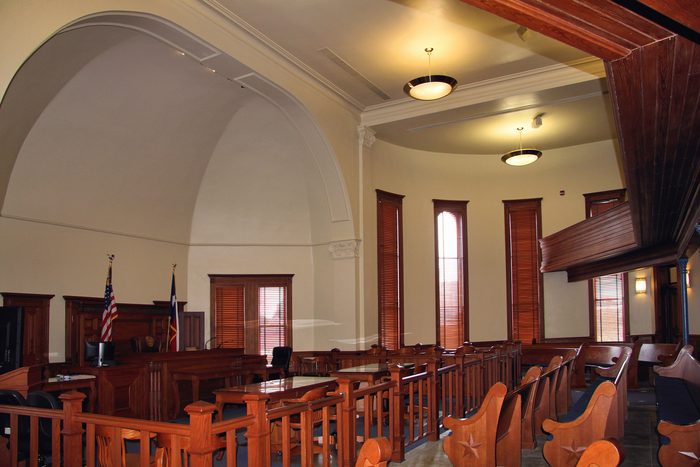
An empty historic county courtroom: rows of wooden pews, two flags beside the bench and tall windows down one side.
An arraignment takes four minutes in a room like this. What happens in the seventy-two hours before it is most of the case.
19 years Marcus Hollis · Wayne, Oakland and Macomb

Nine of them as an assistant defender in Wayne County, which is where you learn how the district courts actually run and who is reasonable. Dana Reese joined in 2019 from the appellate division.

61 Jury trials taken to verdict
1,140 Matters handled since 2007
Two weeks To an honest read on your case

Most criminal cases do not go to trial, and it is not in your interest to pretend otherwise. We will tell you within about two weeks whether yours is a case to fight or a case to resolve — and why.

Flat fees Quoted in writing, before you engage

Priced by stage — through district court, through preliminary examination, through trial — so you can see what the next step costs before you commit to it.

Tab 04 — What happens

A felony in Michigan moves like this.
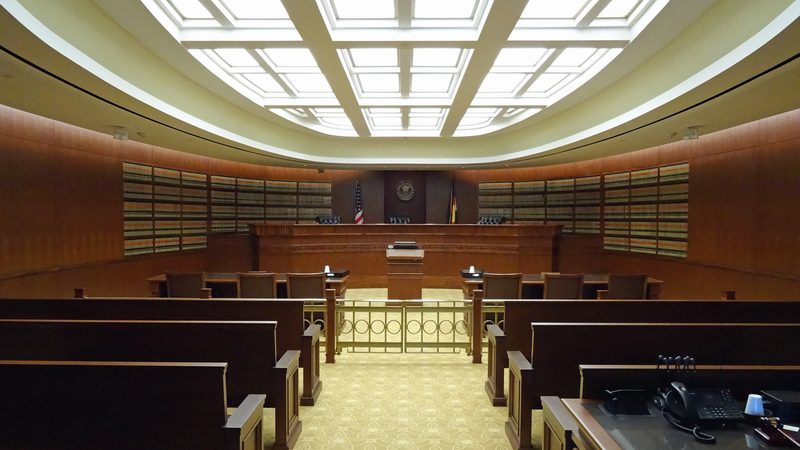
An empty American appellate courtroom: a long curved bench beneath a coffered skylight, counsel tables in front of it and a low rail across the room.
The room at the end of it. Most cases never reach one — but the plan is built as though yours will, because a plan that assumes a plea has already given something away.

Most of it is waiting, and most of the useful work happens between the hearings rather than at them. Misdemeanors stay in district court and skip the middle three stages entirely.

Stage 01 · District court

Arraignment

The charge is read and bond is set. If you are being held, this happens quickly. It is short, it is often the only hearing where anyone asks about your job and your family, and it sets the conditions you will live under for months.

Stage 02 · District court

Probable cause conference

Prosecutor and defense meet, discovery starts moving, and a first offer is often on the table. A great many cases are shaped here rather than in a courtroom, which is why having someone on it early matters more than it sounds.

Stage 03 · District court

Preliminary examination

The prosecution has to show there is enough to proceed. It is a lower bar than trial, but it is the first time their witnesses are under oath — and the first real look at how the case holds together.

Stage 04 · Circuit court

Bindover and pretrial

If the case proceeds it moves upstairs. Motions to suppress live here — the stop, the search, the identification — and this is where a case is most often won without a trial.

Stage 05 · Circuit court

Trial, or resolution

Fewer than one in twenty reach a jury. That is not a failure of nerve; it is what the arithmetic usually says. When yours is one of the twenty, we will have told you long before the date.

Tab 05 — Contact

There is no wrong hour to call.

If someone is in custody right now, call rather than write. If it can wait until morning, it can wait until morning — but it usually cannot, and we would rather you rang.

(313) 555-0188
Office
615 Griswold St, Suite 1200
Detroit, MI 48226
Counties
Wayne · Oakland · Macomb
First conversation
No charge, and no obligation
Call (313) 555-0188