Unofficial concept redesign by Iron Digital MINot affiliated with or endorsed by the Detroit Institute of Arts. The museum's own
site is dia.org. Explore the demo portfolio →
Every fact below is real. That is the
point of an encyclopedic museum: the stories come free with the paint.
1922: Detroit buys a van Gogh before America wants one
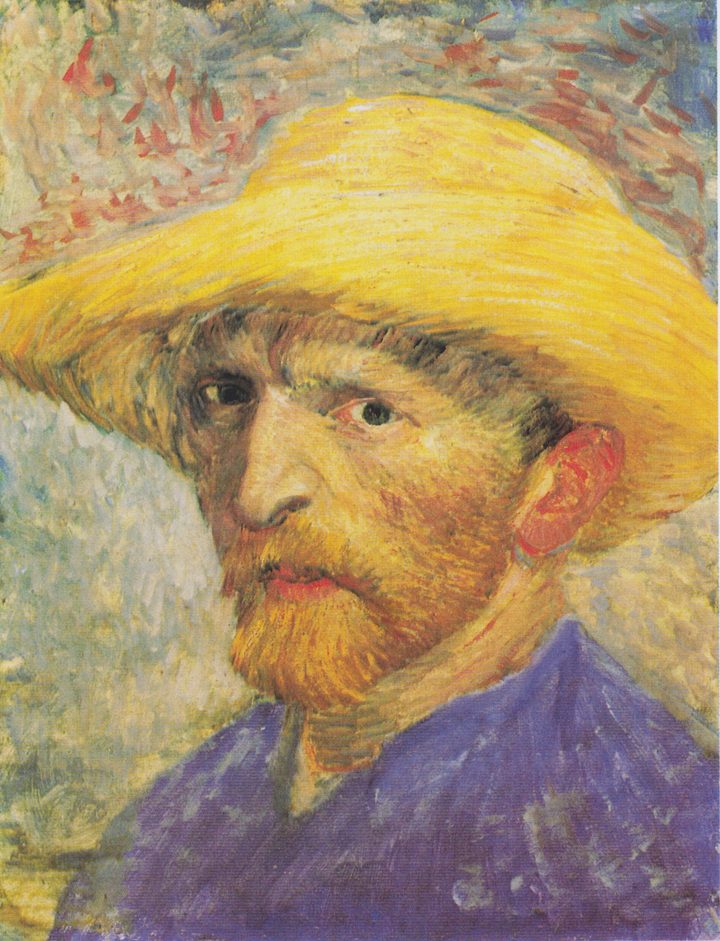
No public museum in the United States owned a van Gogh in 1921. Detroit's director William Valentiner changed that with $4,200 of city money and this self-portrait, and took criticism for it in the papers — modern Dutch daubing, public funds. A century later it is one of the most reproduced faces in American museology, and the purchase reads as the single sharpest bet any American museum made that decade.
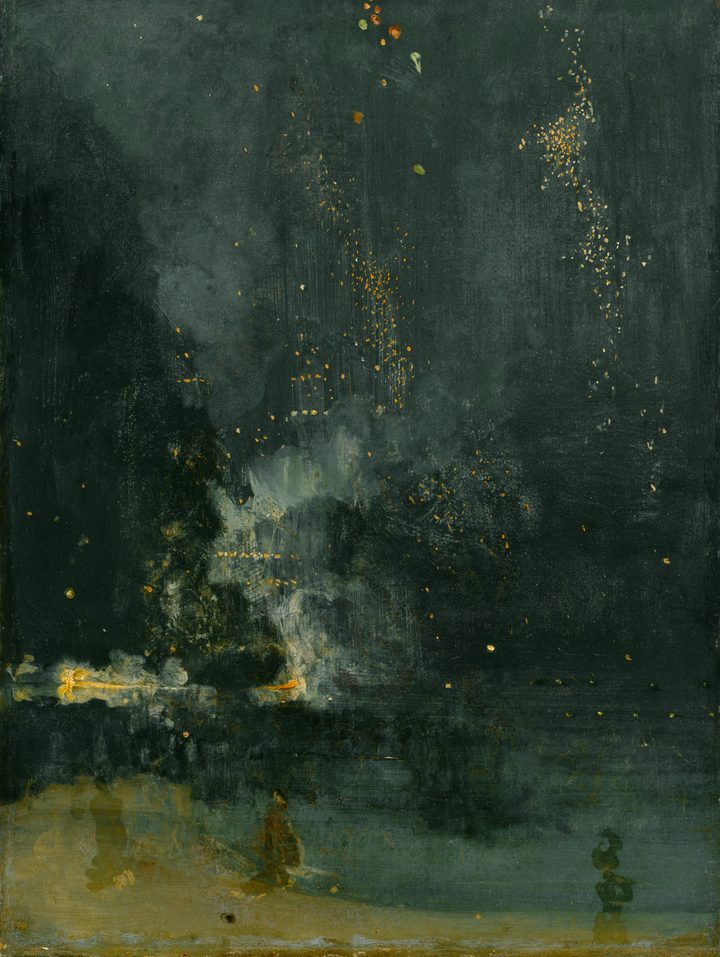
When Ruskin wrote that Whistler was 'flinging a pot of paint in the public's face,' Whistler sued him for libel. The 1878 trial asked, under oath, what a painting has to BE: asked to defend two hundred guineas for two days' work, Whistler answered that the price was 'for the knowledge of a lifetime.' The jury gave him one farthing and no costs; the argument bankrupted him and vindicated every abstraction since. The picture at the center of it hangs in Detroit.
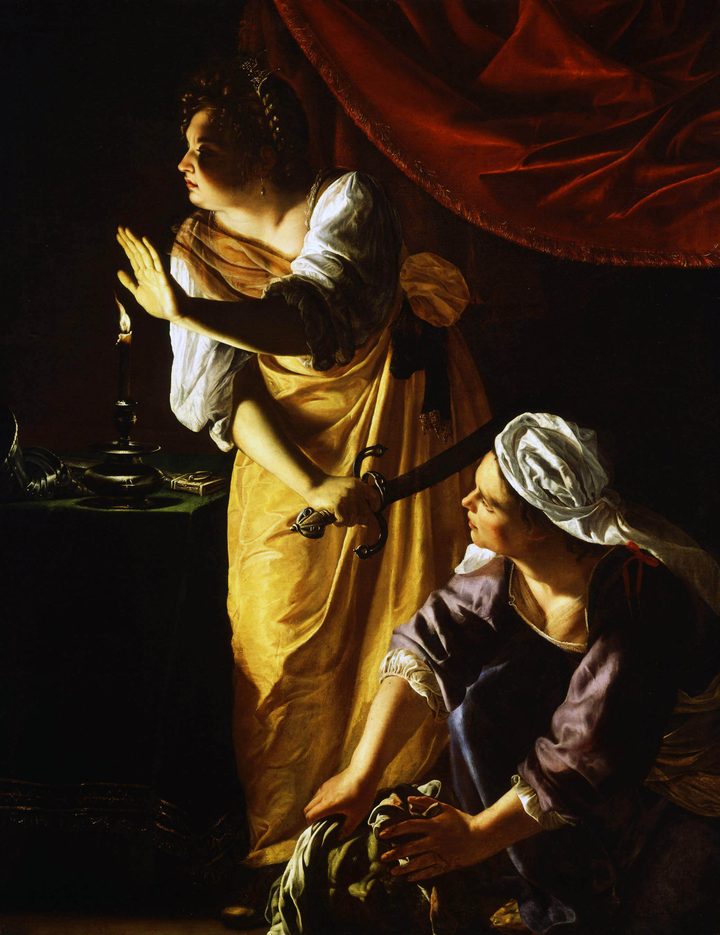
Artemisia Gentileschi painted Judith repeatedly, and Detroit's is the great nocturne of the series: the moment after the killing, one candle, two women listening at the tent flap. Seventeenth-century Europe's most celebrated woman painter, she signed herself in a letter to a patron with a warning that still reads like a manifesto: 'I will show Your Lordship what a woman can do.'
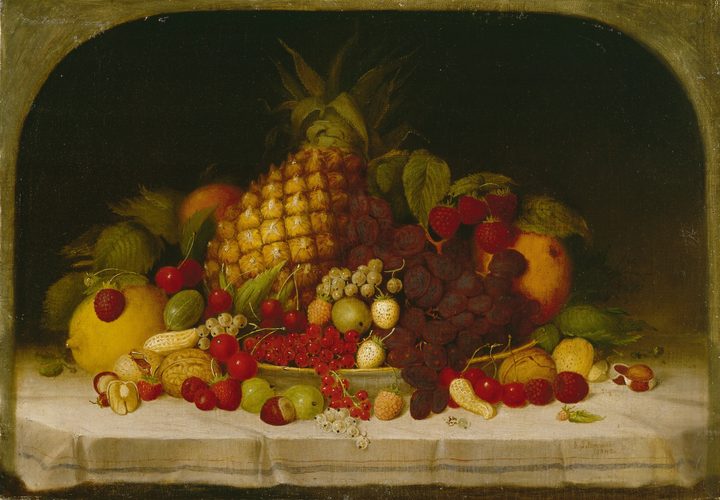
Robert S. Duncanson — raised partly in Monroe, Michigan — became the first African American artist with an international reputation, exhibiting in London and Glasgow while half his own country legalised his enslavement. The DIA's Fruit Piece is the polished, deliberate proof of skill he sold to Midwestern patrons: virtuosity as argument.