Book an inspection
Berkley, Michigan · MDARD licensed

Name it first. Treat it when needed.

Found something unfamiliar? Compare its shape and size with the specimen collection, then decide whether an inspection would help.

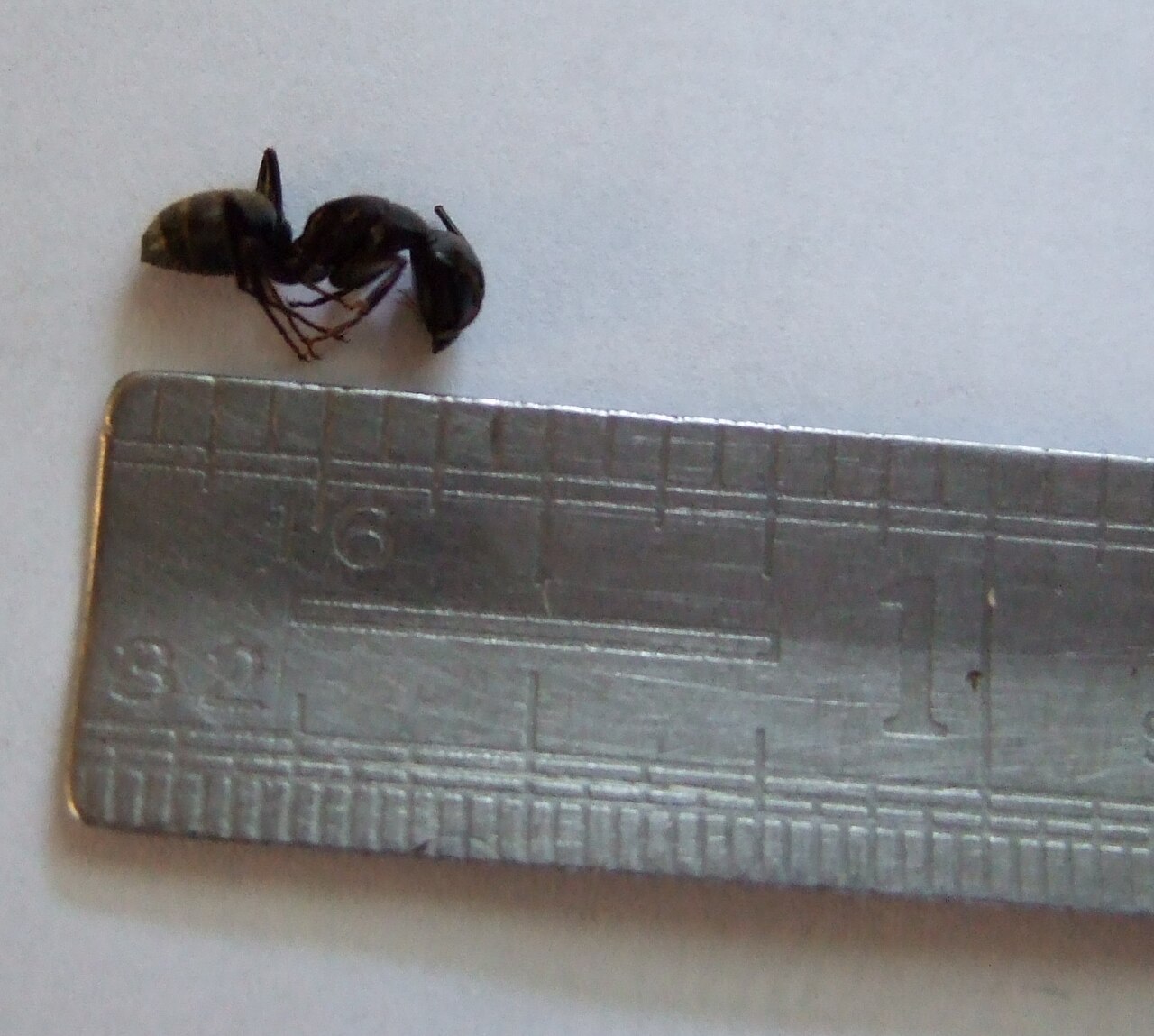
Black carpenter ant (Camponotus pennsylvanicus), photographed specimen.
Black carpenter ant →Original uploader was Muéro at en.wikipedia · Public domain · source
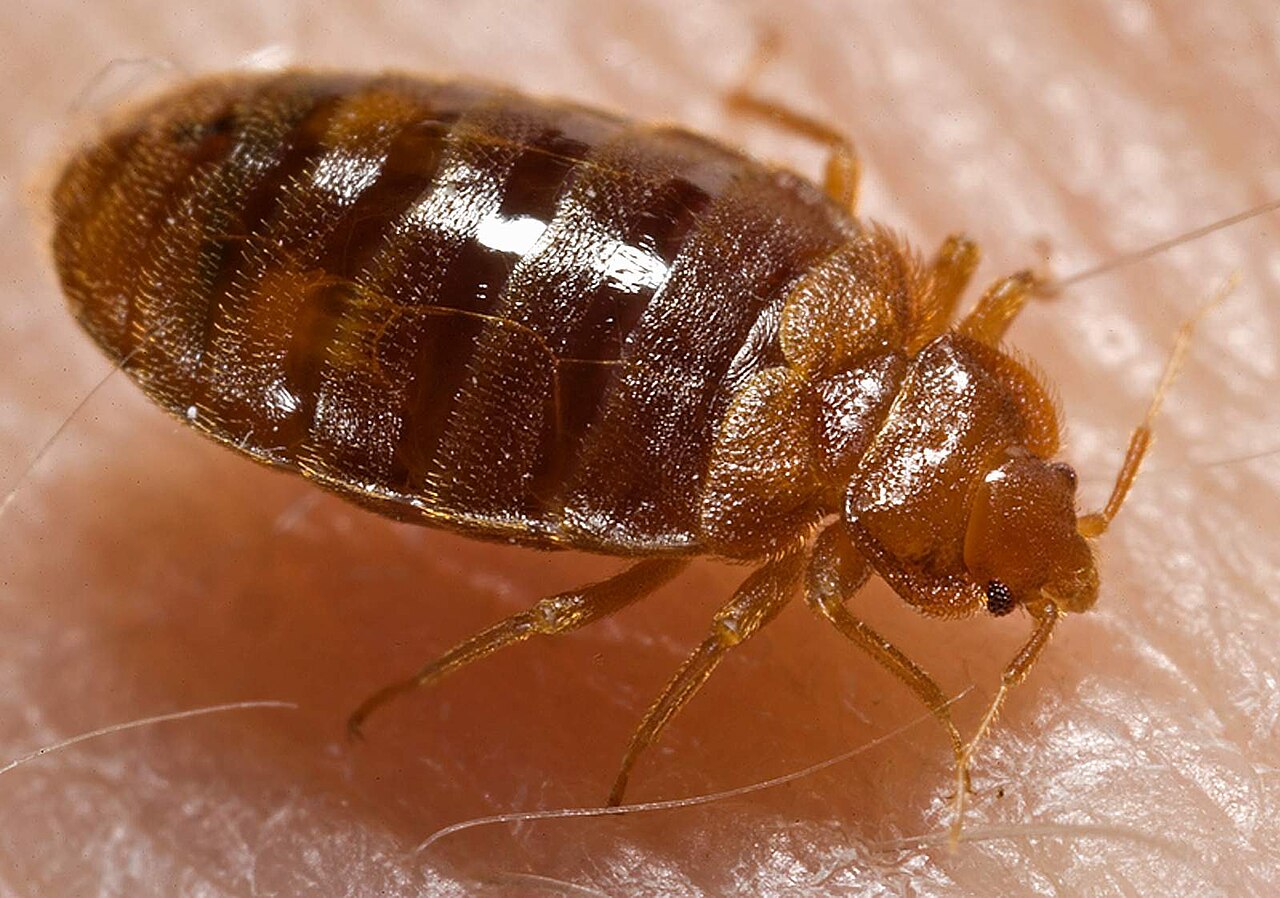
Bed bug (Cimex lectularius), photographed specimen.
Bed bug →Content Providers(s): CDC/ Harvard University, Dr. Gary Alpert; Dr. Harold Harlan; Richard · Public domain · source
The collection

Seventeen specimens, photographed and named.

Every plate on this site is a correctly identified photograph with the species, the size and the photographer on the label. Not clip art, and not a cartoon with a red cross through it.

Black carpenter ant (Camponotus pennsylvanicus), photographed specimen.
Damages structure

Black carpenter ant

Camponotus pennsylvanicus · 6–13 mm

Excavates galleries in damp or previously wet wood — it does not eat it. The tell is coarse sawdust with insect parts in it under a sill or a window. Big, black, and out at night.

Original uploader was Muéro at en.wikipedia · Public domain · source
Bed bug (Cimex lectularius), photographed specimen.
Bites, hard to clear

Bed bug

Cimex lectularius · 4–5 mm adult

Flat and oval when unfed, rounder and darker after a meal. Six legs, no wings, and it does not jump or fly. Found in seams, not in carpet. Never a hygiene problem — it is a travel problem.

Content Providers(s): CDC/ Harvard University, Dr. Gary Alpert; Dr. Harold Harlan; Richard · Public domain · source
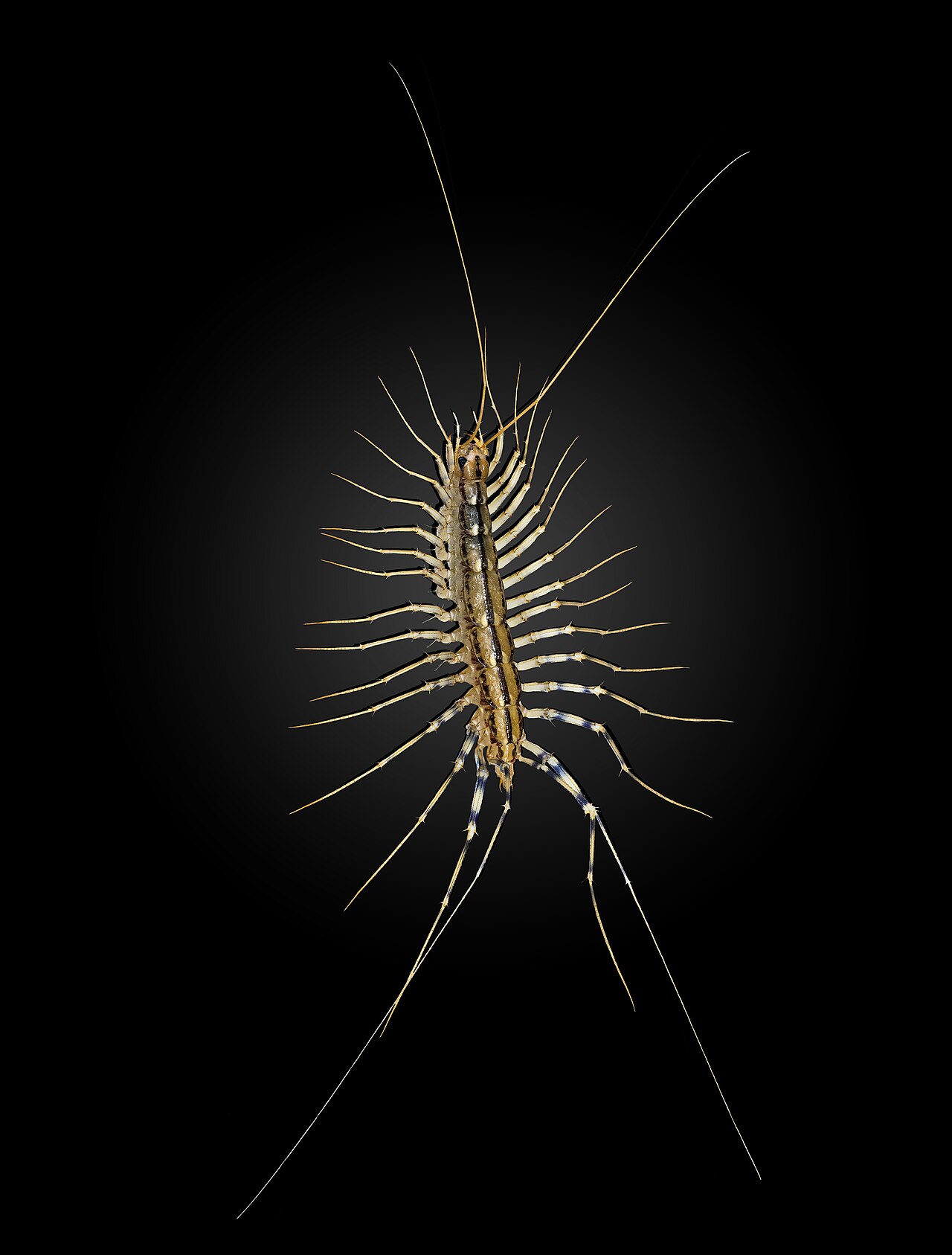
House centipede (Scutigera coleoptrata), photographed specimen.
Harmless

House centipede

Scutigera coleoptrata · 25–35 mm body

Fifteen pairs of long legs and genuine speed. The most alarming thing most people ever see indoors and one of the least harmful — it hunts the things you would rather not have. It means the basement is damp.

Didier Descouens · CC BY-SA 4.0 · source
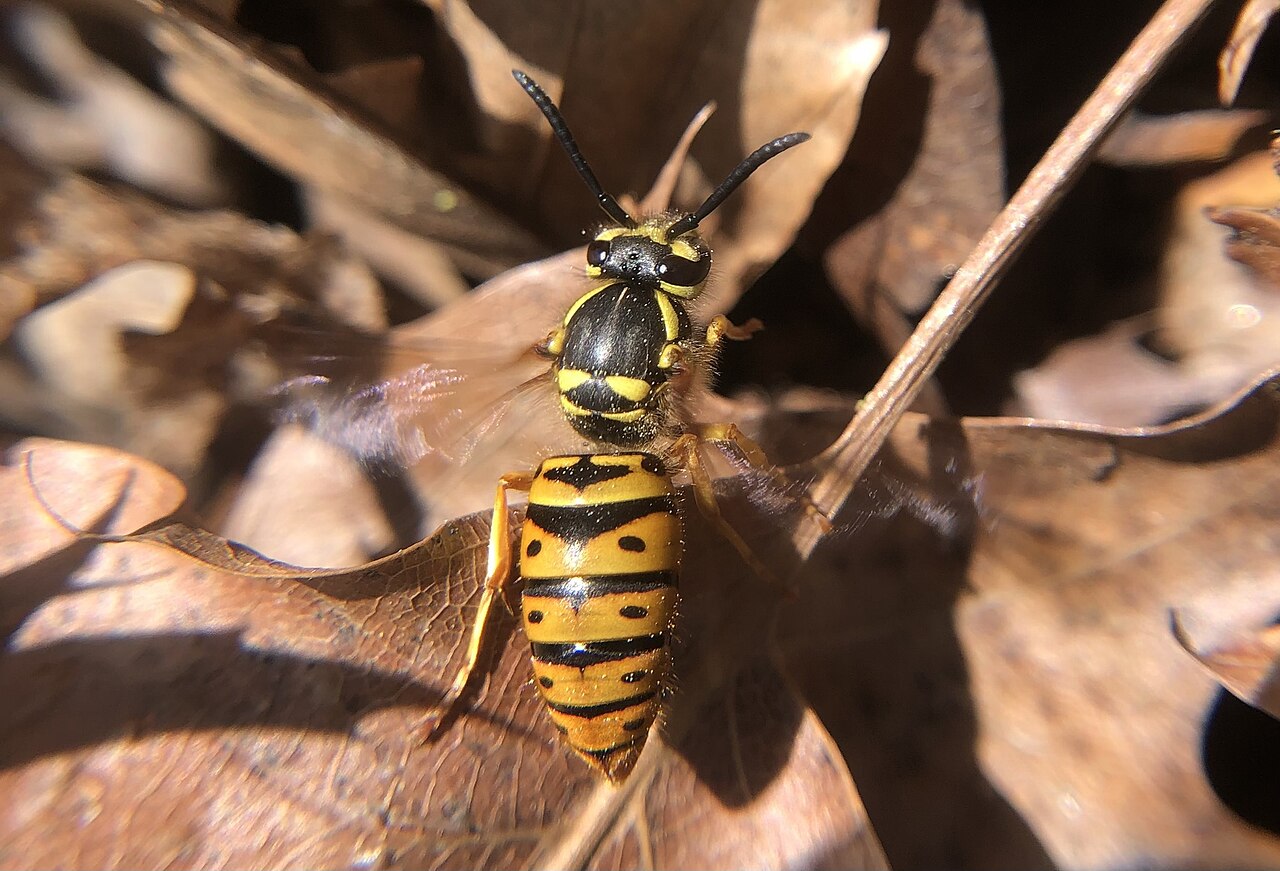
Eastern yellowjacket (Vespula maculifrons), photographed specimen.
Stings, can be severe

Eastern yellowjacket

Vespula maculifrons · 12–16 mm

Bright yellow and black, hairless, and aggressive near the nest — which is usually underground or inside a wall void. Peaks in August and September. Do not seal the entrance with the nest still active.

jonsense · CC BY 4.0 · source
Where things actually live

Almost every call maps onto one of six places.

Pests are not distributed randomly through a house. They follow moisture, warmth and a way in — which means the room you found it in already narrows the answer a long way.

Cutaway section of a two-story house A section drawing marking six zones: the attic, the eaves and roofline, the bedrooms, the kitchen, the basement, and the foundation and soil line. Each zone is numbered and the numbers are listed with their pests beside the drawing. 01 02 03 04 05 06
  • 01Attic Cluster flies overwintering, wasps in a soffit, mice using the insulation. You find out about all three in spring, at a window.
  • 02Eaves and roofline Bald-faced hornets and yellowjackets. A gap the width of a pencil is a front door.
  • 03Bedrooms Bed bugs, and effectively nothing else. They live in seams, within about eight feet of where somebody sleeps.
  • 04Kitchen German cockroaches, pavement ants, odorous house ants. Warmth, water and a crumb, in that order of importance.
  • 05Basement Silverfish, house centipedes, spiders. All three are moisture indicators — a dehumidifier does more than a spray does.
  • 06Foundation and soil line Carpenter ants in a wet sill plate, termite mud tubes, and the mulch bed that keeps both of them damp.
Michigan law, not our policy

You can look up whether we are allowed to do this. In about a minute.

Applying pesticides for hire in Michigan requires a Pesticide Application Business License from MDARD. In the state’s own words, holding an applicator certification “does not allow you to legally operate a business to apply pesticides for hire.” Two different things, and companies blur them.

MDARD publishes a searchable list of every licensed business in Michigan. If the company at your door is not on it, they are not licensed to be at your door.

MDARD, Pesticide Application Businesses. Search the licensed-business list →

The license also says what they are allowed to treat.

Michigan licenses by category. 7A is general pest management in dwellings. 7B is wood-destroying pests — termites, powder post beetles, carpenter ants. 7D is vertebrates: rats, mice, birds.

So a company licensed 7A only, quoting you for carpenter ants in a sill plate, is quoting outside its own license. That is checkable in the same minute, and almost nobody knows to check it.

How a job runs

Inspect, identify, then decide together.

Integrated pest management is a real discipline with a real order of operations, and the chemical sits near the end of it rather than at the start.

  1. You send a photograph

    Before anybody drives anywhere. A phone photo of the animal, the damage or the droppings answers the question maybe half the time, and we will tell you so for free.

  2. We inspect, and we write down what we found

    Where it is getting in, what is keeping it there, and what it actually is. You get that in writing whether or not you hire us.

  3. Exclusion first — the physical fix

    Sealing, screening, door sweeps, grading, a dehumidifier. Unglamorous, permanent, and the part most companies skip because there is no recurring revenue in it.

  4. Targeted material, only where it is needed

    Baits and crack-and-crevice placements rather than a perimeter of spray. You get the product name and its EPA registration number on the invoice — recording that is a legal requirement, and you are entitled to a copy.

  5. We come back and read the monitors

    Read, not guessed at. If it did not work we say so and change the approach rather than repeating the same visit monthly forever.

  • 2014Working in metro Detroit since
  • 7A, 7B, 7DOur MDARD categories — general, wood-destroying, vertebrate
  • 17Species on the key, each photographed and credited
  • 1/3Of inspections that end with us telling you to do nothing
Book an inspection Call