Updated September 23, 2026 · Editorial review by Iron Digital MI
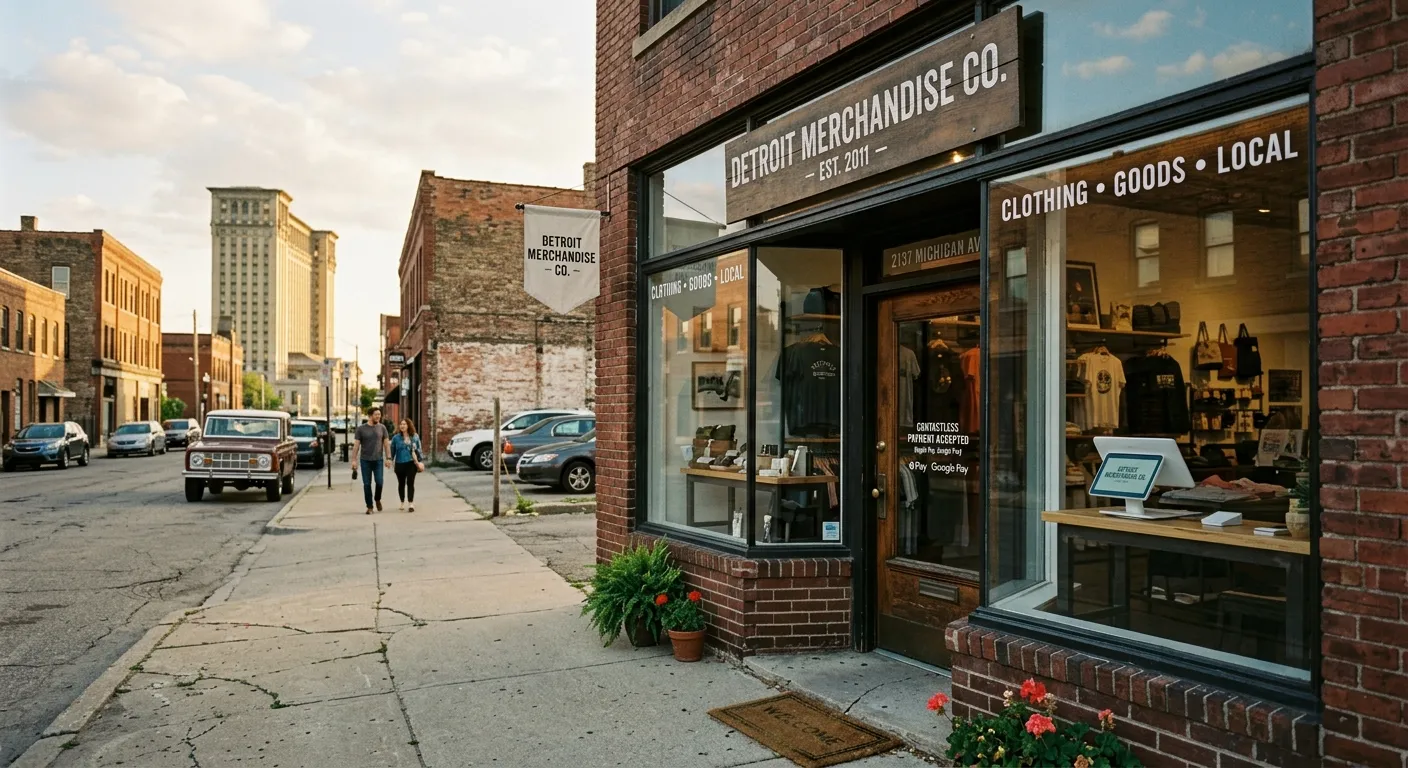
← Back to BlogThere is a physical transformation taking place along Detroit's neighborhood commercial corridors. From the Avenue of Fashion on Livernois to the active storefronts along East Jefferson, the historic blocks of Southwest Detroit, and the emerging stretches of Grand River, independent brick-and-mortar retail is experiencing a major resurgence. However, as foot traffic increases across these districts, a quiet disconnect remains: many of our local shops are nearly invisible to the modern consumer before they ever step onto the sidewalk.
Physical readiness—stocking shelves, hanging signage, and sweeping the entryway—is only half the battle. If your store does not exist on a smartphone map, if your operating hours are listed incorrectly online, or if your website takes ages to load on a mobile connection, you are effectively locked out of the neighborhood's active economy. Modern consumers do not search for shops by wandering blindly down the street; they search with their thumbs. To capture this rising demand, Detroit retailers must run a comprehensive digital audit.
Key Takeaways
- Local Search Dominates Foot Traffic: The majority of local searches lead directly to store visits, making search accuracy a critical operational priority.
- Mobile Optimization is Non-Negotiable: A slow or poorly formatted mobile site is a major points of friction that causes immediate loss of prospective customers.
- Inventory Synchronization Prevents Lost Sales: Bridging the gap between physical shelves and search engine listings captures high-intent buyers looking for products nearby.
The Local Discovery Audit: Fixing the Basics
Before spending a single dollar on social media ads or physical flyers, a retailer must secure their baseline discovery channels. When a consumer arrives in a neighborhood and looks for "clothing boutiques near me" or "home goods in Corktown," search engines rely entirely on structured local listings to deliver results.
Your local discovery audit must cover three main hubs:
- Google Business Profile (GBP): Verify your listing, update your holiday hours, and ensure your business category is highly specific (e.g., "Vintage Clothing Store" rather than just "Clothing Store").
- Apple Maps Connect: Millions of iPhone users rely on Apple's default navigation. Claim your business profile via Apple Business Connect to ensure your pin drop lands precisely on your front door.
- Local Directory Consistency: Search engines compare your Name, Address, and Phone number (NAP) across the web. Discrepancies between your website, Yelp, Facebook, and local business association directories harm your search rankings.
Mobile Performance: The Digital Threshold
Once a local shopper clicks the link on your map profile, your website becomes your digital front door. In neighborhood corridors where cellular service can sometimes be spotty, site speed is not just a technical metric—it is a critical element of customer service.
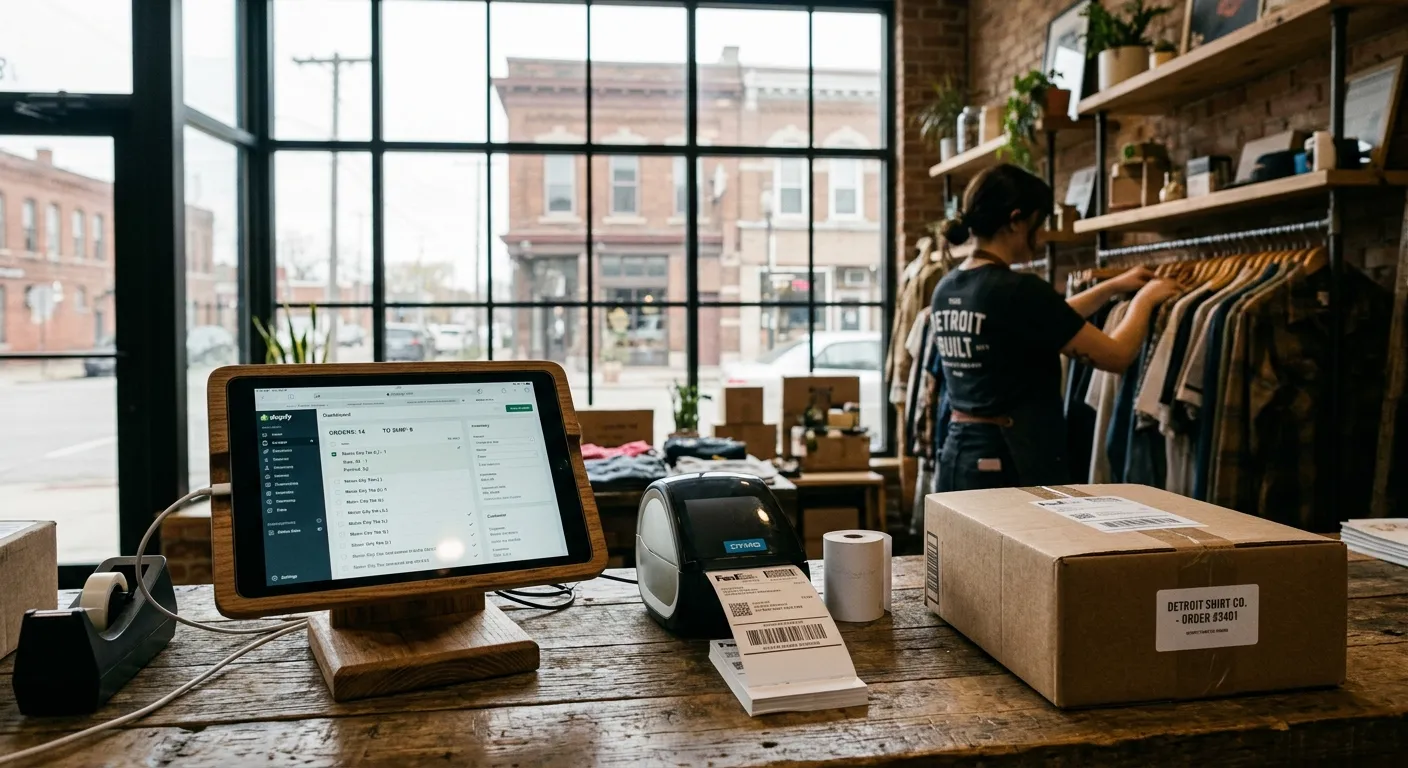
A neighborhood store in Detroit audits its web performance and maps presence to turn online local searches into instore customer sales.
To evaluate your mobile experience, perform this quick field test. Disconnect your phone from the store's Wi-Fi network and load your homepage on cellular data. Check for the following key performance aspects:
- Actionable Contact Info: Can users click your phone number to call immediately? Is your physical address linked directly to Google Maps?
- Legible Typography: Can your menu, hours, and product lists be read clearly without zooming or pinching?
- Lightweight Images: Large, uncompressed photos of your interior will crush your loading speeds. Compress every image before uploading it to your site.
The Digital Readiness Matrix
To help prioritize your digital upgrades, we have structured a simple framework comparing immediate tactical fixes with long-term digital growth projects. While the massive corporate developments spotlighted in our analysis of Downtown Detroit's Revitalization capture headlines, the real economic engine of the city's neighborhoods lies within independent retail corridors that master this digital shift.
| Action Item | Time to Complete | Immediate Impact |
|---|---|---|
| Claim and Verify Google Business Profile | 1-3 Days | High (Direct mapping and local search visibility) |
| Compress Homepage Images & Optimize Loading Speeds | 2 Hours | Medium (Reduces bounce rate on cellular connections) |
| Synchronize POS with Local Inventory Feeds | 1-2 Weeks | High (Shows in-stock products to nearby searchers) |
Geotargeting & Local SEO: Claiming Your Territory
Large national retailers use complex geotargeting algorithms to lure shoppers into big-box stores. Independent Detroit shops must counter this by dominating hyper-local search phrases. If your shop is located in the North End, Grandmont Rosedale, or Southwest Detroit, your website content must reflect those coordinates explicitly.
As we explored in our strategic guide on why Detroit's Neighborhoods Are the Next Digital Frontier, neighborhood shops face unique digital challenges that require tactical local SEO campaigns. Instead of targeting generic search terms like "home decor shop," optimize your digital footprint for hyper-local queries like "handmade ceramics Livernois Detroit" or "gift shop in Corktown."
Implement these local SEO enhancements on your core website pages:
- Embed Structured Data: Use Schema markup on your website to tell search crawlers exactly where your business is located, your precise latitude and longitude, your telephone number, and your operating hours.
- Detail Neighborhood Landmarks: Include a short "How to Find Us" section on your contact page. Mentioning nearby landmarks, bus stops, or cross-streets (e.g., "Located just two blocks east of Clark Park, across from the bakery") gives search engines extra geographic context while helping physical visitors navigate.
- Local Partner Cross-Linking: Build links with other businesses in your commercial district. If you run a retail shop, link to the coffee shop next door, and ask them to return the favor. This signals to search engines that your business is deeply rooted in its specific geographic node.
Bridging the Gap: Real-Time Inventory
The ultimate stage of digital readiness for any modern retailer is connecting physical shelves directly to digital searches. Consumers are increasingly searching for specific products nearby before leaving their homes. If someone in Detroit is looking for a specific brand of specialized raw-denim jeans or a particular potting soil, they want to know if they can buy it nearby today, rather than waiting three days for shipping.
Using modern point-of-sale (POS) systems like Square, Clover, or Shopify POS allows you to link your in-store inventory directly to your website. Many of these platforms now integrate directly with Google's "See What's in Store" feature, displaying your actual inventory counts directly on your Google Business Profile. This eliminates purchase friction, turning online browsers into physical buyers who know exactly what is waiting for them on your shelves.
The Digital Readiness Checklist
To ensure your storefront is prepared to handle the digital-to-physical pipeline, run through this concise checklist before your neighborhood's next peak season:
- Verify and claim your profiles on Google Business, Apple Maps, and Yelp.
- Check your contact information, physical address, and hours across all platforms.
- Compress all website images to keep load times under three seconds on mobile networks.
- Build neighborhood-specific keyword phrases into your homepage and metadata.
- Ensure your website's navigation, menu, and checkout paths are fully mobile-friendly.
- Set up automated email collection at your physical cash register to nurture customer relationships after they walk out the door.
By executing these digital foundations, Detroit's neighborhood retailers can ensure they are not just watching the city's commercial transformation from the sidelines—but active partners in driving it forward.
Frequently Asked Questions
How do I claim and verify my Google Business Profile if another owner registered it?
Go to Google Maps, locate your business listing, and click 'Claim this business'. Follow the prompts to request access from the current owner; if they do not respond within three days, Google will grant you verification options via phone, email, or video.
Why does my shop's loading speed on mobile devices impact my physical foot traffic?
When consumers search for local shops while walking or driving, slow loading speeds cause them to bounce before seeing your address or hours. Fast websites capture high-intent local searches immediately, turning online queries into physical store visits.
What is the cheapest way to sync my brick-and-mortar inventory with my website?
Using unified platforms like Square or Shopify POS automatically syncs physical sales with your online catalog in real time. This native integration removes the need for custom database software and keeps your online stock counts accurate.
How do I show up in Google search results for specific Detroit neighborhoods?
Build neighborhood-specific content pages on your website and embed local landmarks, cross-streets, and community references into your text. Also, list your specific neighborhood, such as Corktown, West Village, or the Avenue of Fashion, directly within your Google Business Profile description.
Need to audit your storefront's online presence before the busy season?
From local SEO optimizations to fast-loading website designs and automated marketing tools, we build the digital infrastructure your physical store needs to stay competitive.
Start a ProjectReady to put this into practice? Visit our custom web design page to see how we work.