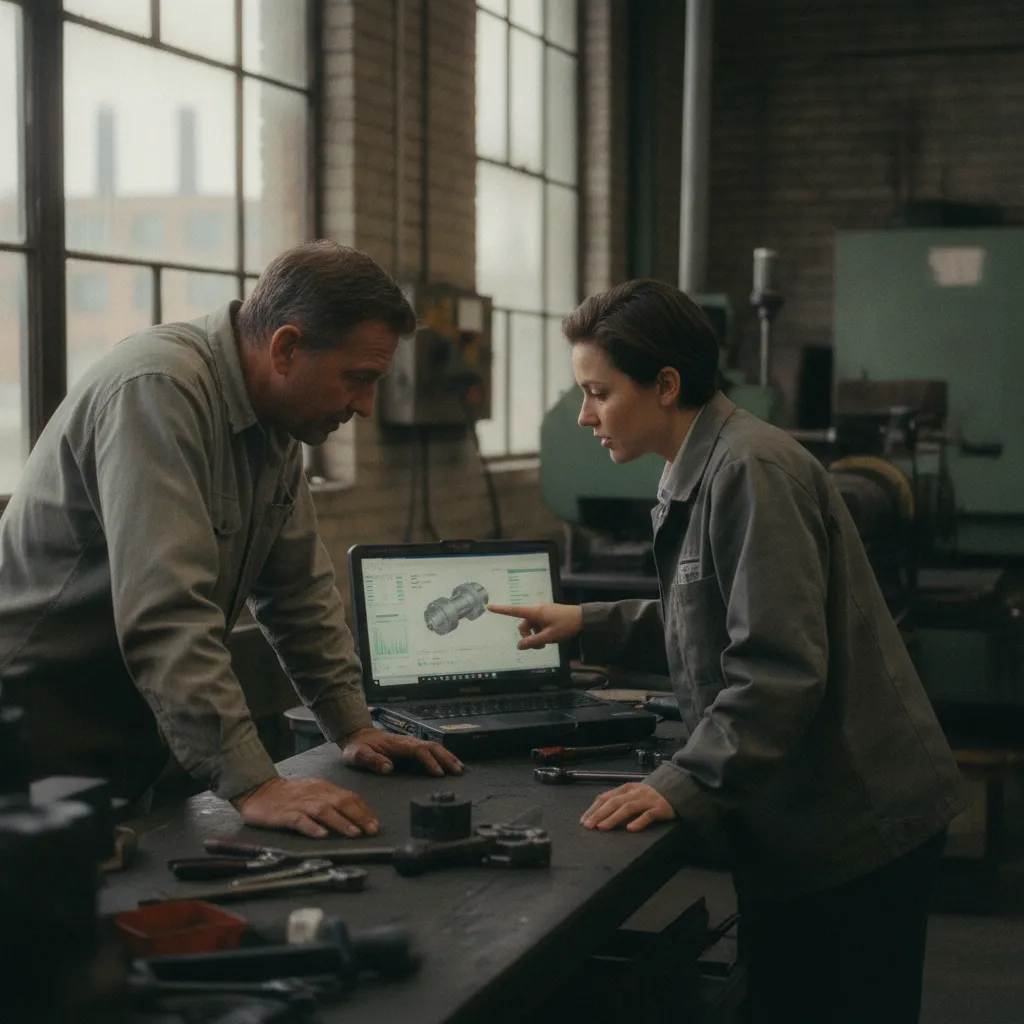
Detroit didn't just build the machines; it built the *systems* that built the machines. From the assembly line to the global supply chain, Michigan's industrial backbone has always been about making things work. Now, the new frontier isn't just about steel and silicon, it's about data and code. Traditional manufacturing firms here aren't sitting still; they're aggressively upgrading their digital infrastructure to compete in an era defined by software.
Key Takeaways
- Software and data integration are table stakes for Detroit manufacturers — operational efficiency, predictive maintenance, and agile supply chains all depend on how well hardware talks to software.
- An ERP alone is no longer enough. The modern digital stack layers IoT sensors on the factory floor, analytics platforms, and cloud infrastructure that legacy on-premise servers can't match.
- The ROI is tangible: predictive maintenance can cut machine downtime by an average of 30%, and IoT data integration drives roughly 15% efficiency gains.
- Michigan's edge is real — 75% of US automotive R&D facilities and the nation's highest engineer density (1,400 per 100K residents), with anchor automakers pushing their supplier networks to upgrade.
The imperative is clear: modern software and data integration aren't optional. They're table stakes. Manufacturers are realizing that operational efficiency, predictive maintenance, and agile supply chains depend entirely on how well their hardware communicates with their software. This isn't abstract tech talk; it's about staying competitive, reducing downtime, and pushing products to market faster.
The Digital Stack: More Than Just an ERP
For decades, enterprise resource planning (ERP) systems were the digital brain of a manufacturing operation. Essential, yes, but no longer sufficient. Today's digital stack is a layered construct. It starts with IoT sensors on the factory floor, gathering real-time data on machine performance, environmental conditions, and production output. This raw data then feeds into advanced analytics platforms that identify patterns, predict failures, and optimize processes.
Cloud computing plays a critical role, providing the scalable infrastructure to store and process this colossal volume of information. Old, on-premise servers simply can't handle the load or provide the agility needed for modern operations. Manufacturers are moving beyond static reporting, demanding dynamic dashboards that offer immediate insights into every facet of their operation. They need systems that can talk to each other, automating workflows that once required manual intervention and fragmented spreadsheets. Think real-time inventory management, automated quality control, and proactive maintenance scheduling.
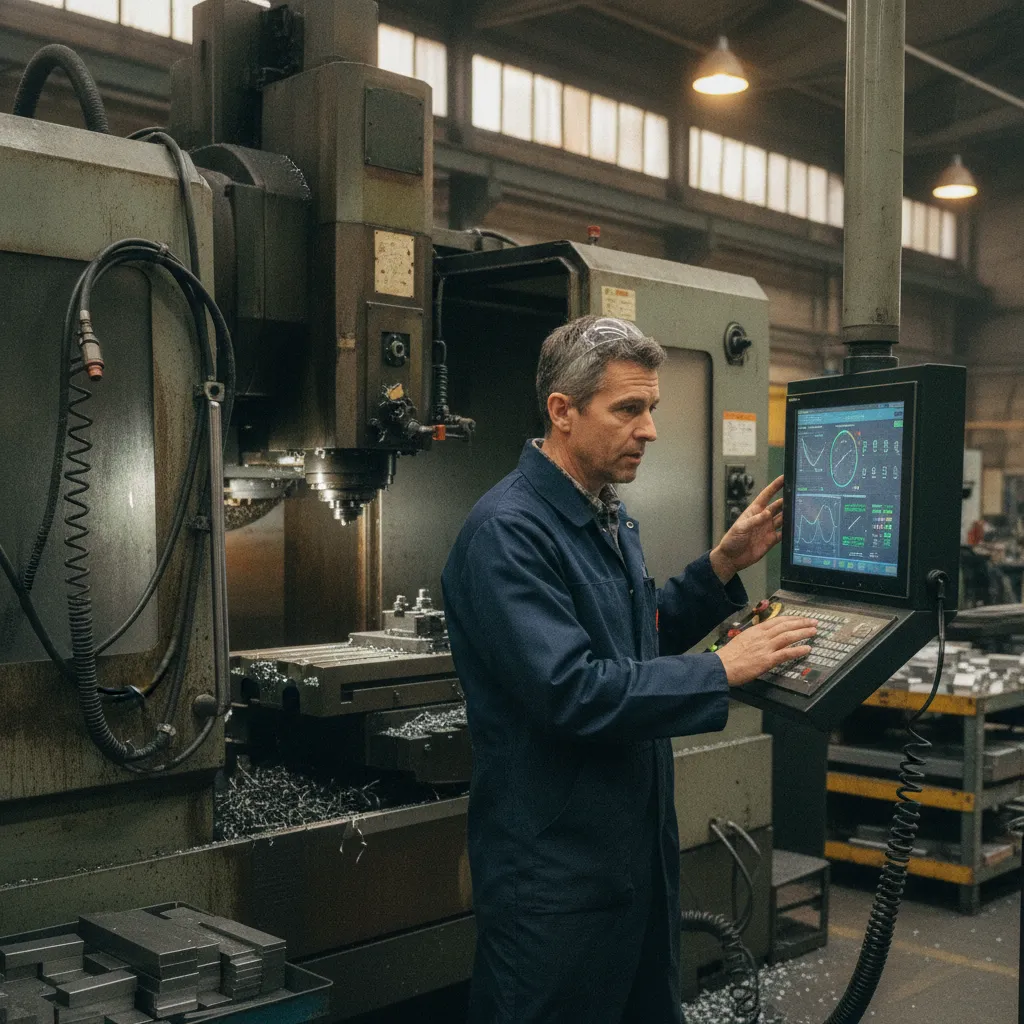
Detroit's factories are evolving, with real-time data integration and predictive analytics driving efficiency from the shop floor to the executive suite.
Why Detroit is Poised to Lead
Detroit isn't just adapting; it's leveraging its inherent strengths. This isn't a new industry being built from scratch, but a re-tooling of an existing powerhouse. Michigan boasts the highest density of engineers in the country – 1,400 per 100,000 residents – many with deep roots in industrial engineering and automotive manufacturing. This talent pool understands the specific challenges of a production environment, making them uniquely equipped to implement and refine digital solutions that actually work in practice.
Furthermore, the automotive industry's massive investment in electric vehicles, autonomous systems, and advanced materials has created an innovation hotbed. Companies like Ford, GM, and Stellantis aren't just building cars; they're building software platforms on wheels. This pushes their vast supplier networks to also upgrade, creating a domino effect across the entire manufacturing ecosystem. It's a prime example of how large anchor institutions can foster a dynamic environment. The drive to digital isn't just about efficiency; it's about survival in a rapidly evolving market. Firms recognize the competitive pressure, driving them to find more intelligent ways to operate. This also means adopting practical AI tools for specific operational challenges, not just hype.
The Real ROI: Beyond the Hype
The return on investment for these digital transformations is tangible. Predictive maintenance, powered by IoT data and AI algorithms, can reduce machine downtime by an average of 30%, saving millions in lost production. Optimized supply chains, informed by real-time data, can cut logistics costs and improve delivery times, directly impacting customer satisfaction and market share. Enhanced data security and compliance become critical as operations move to the cloud.
This digital evolution also empowers workers. Instead of manual data entry or reactive problem-solving, teams can focus on higher-value tasks, using intelligent dashboards and automated alerts to guide their decisions. For smaller manufacturers, this means the difference between competing with industry giants or falling behind. It’s about being smarter, faster, and more adaptable. And for any business considering such a shift, measuring the real ROI of digital transformation is a critical step, avoiding the trap of chasing trends without clear business objectives.
Detroit manufacturers are not just installing new software; they're fundamentally rethinking their operations, driven by a commitment to innovation as deep as their industrial roots. This city built the physical world, and now it's helping build the digital future of how things get made.
Detroit Resources
Organizations and platforms actively shaping Detroit's tech and innovation ecosystem:
- TechTown Detroit Over 1,000 entrepreneurs mentored since 2000 — accelerators, co-working, and startup support techtown.org →
- Newlab Detroit Deep tech innovation hub inside Michigan Central — mobility, robotics, and advanced manufacturing newlab.com →
- Michigan Central Ford's Corktown innovation campus — events, maker space access, and startup partnership programs michigancentral.com →
- Detroit Venture Partners Early-stage venture capital focused on Detroit-based technology companies detroitventurepartners.com →
- New Economy Initiative Grants and technical assistance for diverse entrepreneurs across metro Detroit neweconomyinitiative.org →
- Techstars Mobility Detroit Global accelerator program focused on mobility and transportation technology, based in Detroit techstars.com →
Frequently Asked Questions
Why do Detroit manufacturers need to upgrade their digital systems?
Modern software and data integration aren't optional anymore — they're table stakes. Operational efficiency, predictive maintenance, and agile supply chains depend entirely on how well your hardware communicates with your software. The payoff is staying competitive, reducing downtime, and getting products to market faster.
Is an ERP system enough to run a modern manufacturing operation?
No. ERP systems are still essential, but today's digital stack layers IoT sensors on the factory floor, advanced analytics platforms that predict failures, and cloud infrastructure that old on-premise servers can't match. Manufacturers need dynamic dashboards and systems that talk to each other, not static reporting and fragmented spreadsheets.
What is the real ROI of digital transformation for a manufacturer?
Predictive maintenance powered by IoT data and AI can reduce machine downtime by an average of 30%, saving millions in lost production. Real-time supply chain data cuts logistics costs and improves delivery times, and workers shift from manual data entry to higher-value tasks guided by intelligent dashboards and automated alerts.
Why is Detroit well positioned to lead industrial digital transformation?
Michigan has the highest density of engineers in the country — 1,400 per 100,000 residents — and 75% of US automotive R&D facilities. Massive automaker investment in EVs and autonomous systems pushes the entire supplier network to upgrade, creating a domino effect across the manufacturing ecosystem.
Building a Detroit manufacturing firm and need the digital infrastructure to back it?
From your industrial web presence to your back-end systems, we build what Detroit businesses need to compete at the level the market is moving toward.
Transform Your Industrial Digital Stack →