Updated September 23, 2026 · Editorial review by Iron Digital MI
← Back to BlogDetroit is physically reorganizing. From the major infrastructure changes along the Michigan Avenue corridor in Corktown to the sweeping commercial rezonings across the East Side, the map of where business happens is changing by the week. Roads are being rerouted, historic structures are turning into modern hubs, and service corridors are shifting away from traditional thoroughfares.
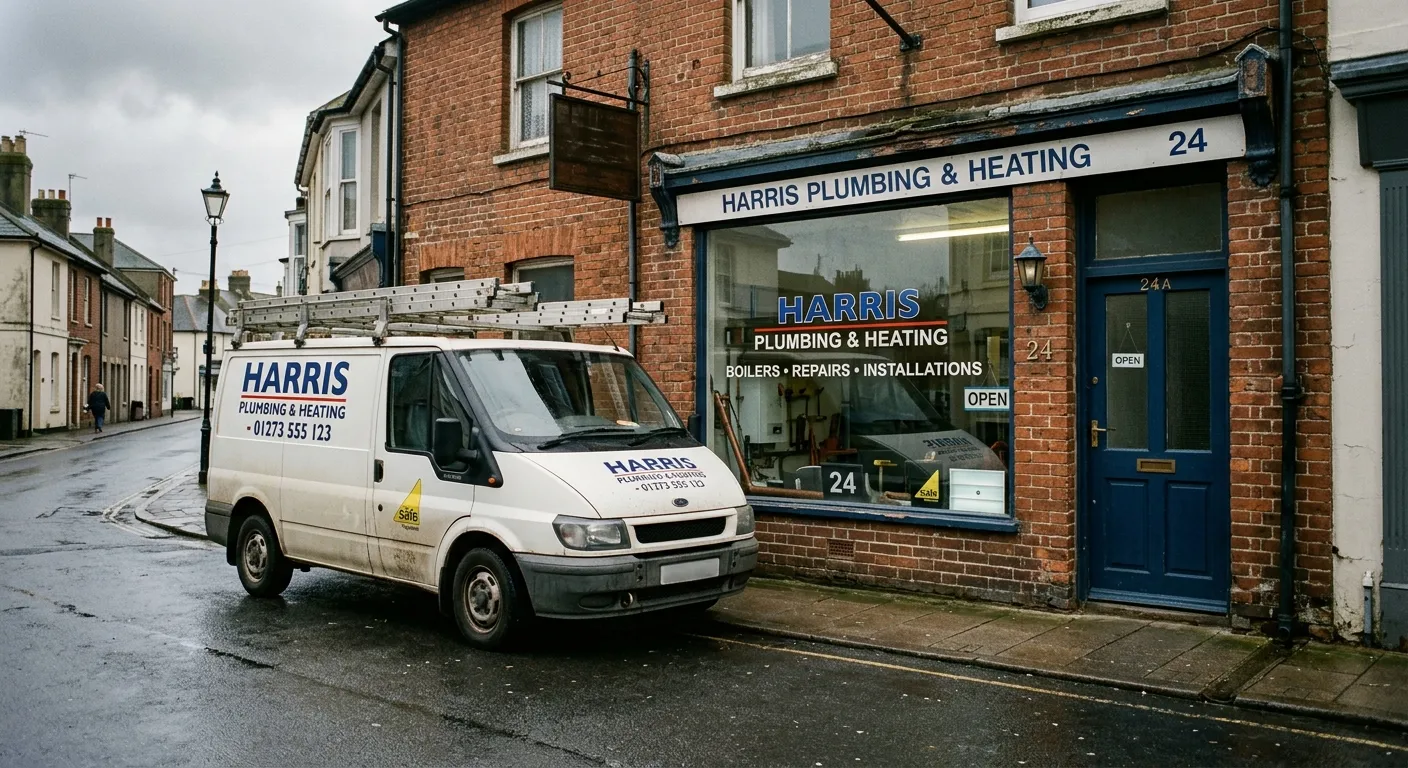
Yet, hundreds of local commercial contractors, HVAC firms, plumbing fleets, and B2B service companies are operating with digital coordinates that point to a version of Detroit that no longer exists. They leave their Google Business Profiles (GBP) unmanaged, unmonitored, and frozen in time. While physical crews navigate detours on the ground, their digital operations are driving straight into a financial ditch. This is not a minor oversight; it is a systematic transfer of market share to younger, more agile competitors who treat local search as high-priority real estate.
Key Takeaways
- Physical shifts in Detroit's transit, construction, and neighborhood hubs make real-time updates to your service areas and addresses non-negotiable.
- An abandoned profile functions as a sign on your virtual front door stating your business is closed, driving high-value traffic directly to competitors.
- Simple, routine profile maintenance is the highest-return local marketing strategy a service provider can execute today.
The Geography of Detroit’s Economic Realignment
Local search algorithms are exceptionally sensitive to geography. When someone searches for an "emergency commercial electrician" or "industrial pipe repair," Google relies heavily on proximity, relevance, and activity signals to rank the three-pack displayed on Google Maps. If your address is tied to a yard you moved out of last winter, or if your service area is still mapped to pre-construction routing lines, you drop out of the local selection entirely.
Keep a dated inventory of your own profile details: staffed hours, public contact information, service coverage and links. Compare that inventory with what customers can currently see before deciding what to correct.
The Financial Reality of Local Search Abandonment
"In local service businesses, trust is a highly perishable asset. An unmanaged, unanswered profile tells prospective clients that you lack the capacity or operational control to handle their project."
The financial losses are direct and highly predictable. Let's look at the math for a standard commercial plumbing or electrical business in Wayne County. With an average ticket price of $2,500, losing just five high-intent inbound opportunities a month due to an inaccurate profile translates to $15,000 in monthly lost revenue—or $180,000 annually. For businesses relying on large-scale mechanical contracts or emergency service dispatches, this figure can easily triple.
Active vs. Inactive Profile Performance Profiles
To understand what is truly at stake, we can look at how Google treats active accounts versus those left on autopilot. The distinction lies in operational metrics that directly impact lead flow:
| Performance Metric | Abandoned Profile | Active & Optimized Profile |
|---|---|---|
| Map Visibility | Limited to direct brand name searches; completely drops off broad category keyword queries. | Ranks consistently in the local 3-pack for highly competitive, intent-driven phrases. |
| Lead Capture (Phone/Clicks) | Low CTR; high bounce rate due to missing data, lack of reviews, or unverified contact info. | High CTR; direct calls and web clicks driven by fresh content, reviews, and active FAQs. |
| Algorithmic Trust Score | Decaying trust; highly vulnerable to suspension if flagged by users or algorithmic updates. | Compounding trust; robust protection against algorithmic drops and competitive threats. |
The Service Area Business (SAB) Trap
A common mistake made by home service fleets based in the Detroit suburbs—such as Macomb, Oakland, or Western Wayne—is setting up their profiles with a physical address while hiding the regions they actually serve. This creates confusion for both Google’s ranking system and prospective local clients.
When you operate a service area business (SAB), you do not need customers to walk through your office doors. You need them to understand that your vans actively service their specific area, whether they are in Grandmont Rosedale, East English Village, or Southwest Detroit. Setting up clear, defined service boundaries and updating them regularly is vital. It informs the algorithm of your physical dispatch capacity, allowing your company to appear in highly local search queries across diverse neighborhoods.
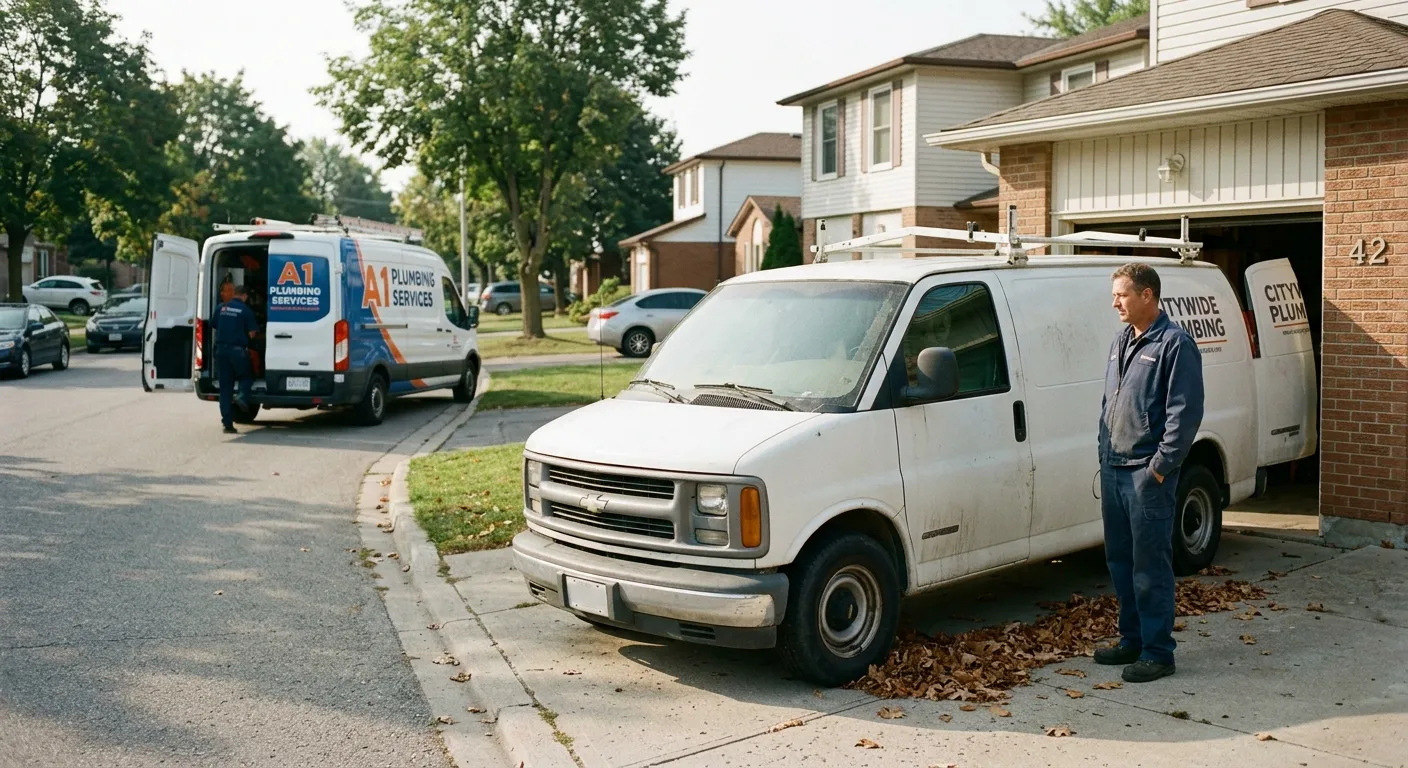
Defining clear, updated service areas in your Google dashboard is essential to capture customers in adjacent neighborhoods without a physical storefront.
An Actionable Local Audit Checklist for Detroit Service Providers
Reclaiming your local search visibility does not require a massive marketing budget. It requires a systematic approach to cleaning up your digital footprint. If you are ready to stop losing high-intent jobs to competitors, execute this five-step audit protocol immediately:
- Re-Verify and Protect Your Physical Base: If your office or yard has moved due to redevelopment or changing transit lines, update your address in your Google profile instantly. Match this address exactly with your business license, tax filings, and utility bills to prevent suspension.
- Audit Your Service Area Boundaries: Do not just select "Metro Detroit." Specify key counties and municipalities where you actively bid on work (e.g., Oakland County, Macomb County, City of Detroit). This focuses your relevance signals where your margins are strongest.
- Implement an Active Review System: Instruct your field technicians to request reviews on-site immediately after completing a job. Real-time, geotagged customer reviews from specific locations are incredibly powerful local ranking signals.
- Add High-Quality Geo-Tagged Media: Upload raw, professional photos of your trucks, equipment, and active job sites across Detroit neighborhoods. This acts as visual proof of your physical operations and builds trust with prospective customers.
- Clean Up Your NAP (Name, Address, Phone) Data: Your contact information must be identical across every directory, platform, and page on your website. Read more about aligning local directories in our comprehensive piece on Detroit's neighborhood-level growth.
Local Search is Just the Gateway
Securing visibility on Google Maps is a critical step, but it is not the destination. When a user finds your company, reads your reviews, and clicks your website link, your site speed and layout must convert that interest into a phone call or form submission instantly. If your site is slow, outdated, or difficult to navigate on a phone, that valuable customer attention is lost immediately.
By pairing a highly active local presence with modern web development and custom digital design, you establish a resilient customer acquisition system. When you combine strong local search signals with a fast, responsive website, your business transitions from chasing leads to managing an organized flow of high-value inbound inquiries.
Frequently Asked Questions
How do I update my Google Business Profile if my business moves due to Detroit road construction?
Log into your Google Business Profile dashboard, navigate to your business information, and update your physical address or service area boundaries immediately. Be prepared to verify the new location via video or mail to ensure Google trust systems don't flag the sudden move as suspicious.
Why is my Detroit service business not showing up on Google Maps?
Your profile may be inactive, unverified, or penalized for violating Google guidelines, such as using a virtual office or P.O. box as your address. A lack of recent activity, customer reviews, and completed profile fields also tells Google's algorithm that your business is not active or reliable.
Should I use my home address for a Google Business Profile in Detroit?
If you operate a service area business without a physical storefront, you should list your home address during verification but set the profile to hide your physical address. Instead, define your explicit service boundaries so customers see the geographic areas you cover without seeing your personal home location.
How much does it cost to fix my local SEO in Michigan?
Fixing your local SEO requires auditing your Google Business Profile, cleaning up directory listings, and optimizing your website's performance. While basic profile setup is free, professional optimization yields a compounding return on investment by capturing high-intent leads that otherwise go to competitors.
Ready to turn your local presence into a functional sales engine?
We build high-performance web platforms and digital strategies that pair with accurate local search signals to help Michigan's premier service providers grow.
Start a ProjectReady to secure your market position? Visit our custom web development page to explore our systems.