Updated September 23, 2026 · Editorial review by Iron Digital MI
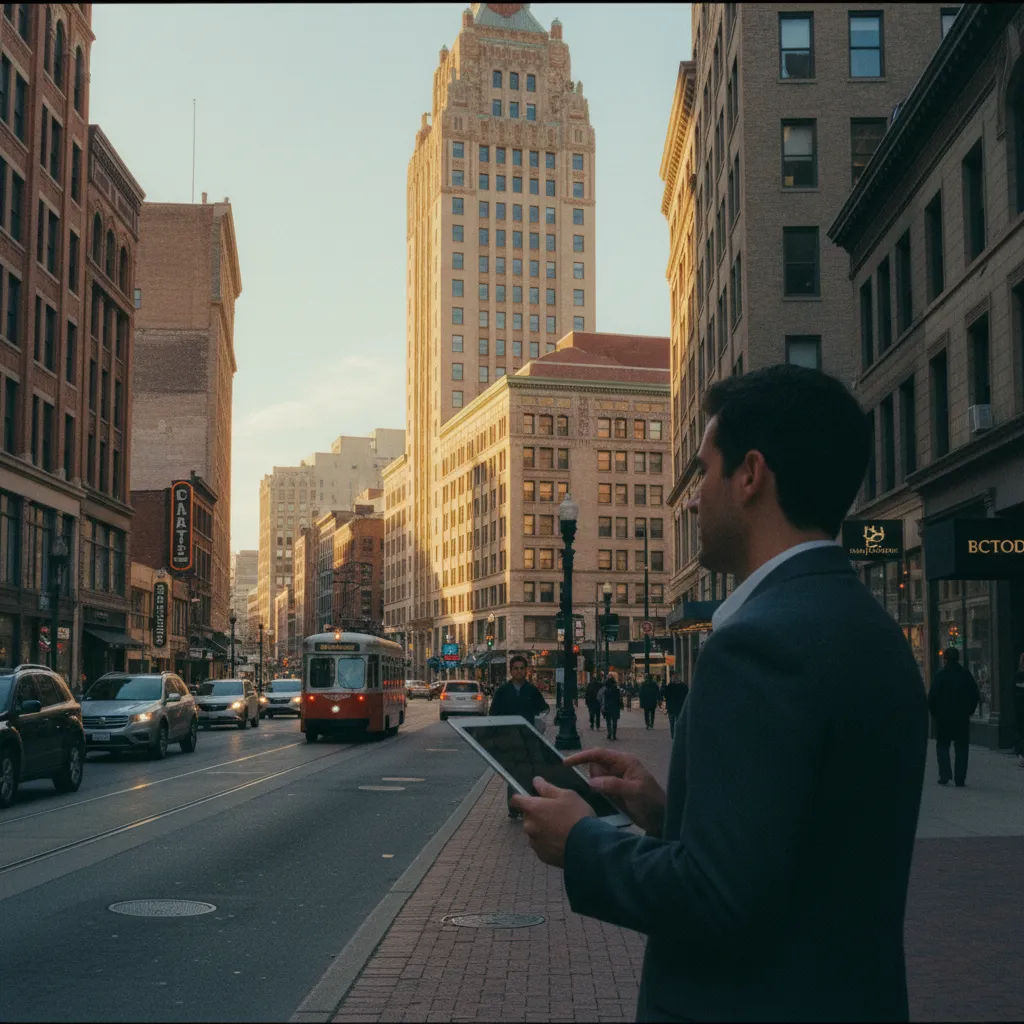
← Back to BlogDetroit is a city defined by tangible craft. For over a century, our reputation was built on things you could hold, drive, or stand inside of—precision machining in Warren, ironwork on Woodward, and architectural monuments downtown. But in today's digital landscape, the physical handshake has been replaced by a pixelated handshake. Long before a potential client visits your shop in Eastern Market or calls your office in Troy, they look you up on their phone.
What they find in those first few seconds determines whether they believe you are a thriving, modern operation or a legacy business on life support. If your website was built during the era of the flip phone, your local reputation is taking a quiet, invisible beating. Consumers process digital design through subconscious filters that instantly link outdated visuals to functional neglect.
Key Takeaways
- Your website has roughly 50 milliseconds to establish trust and credibility with a new local visitor.
- Outdated design patterns imply operational neglect, raising silent doubts about your reliability and safety.
- Modern interface choices are clear business investments that directly increase conversions and customer retention.
The 50-Millisecond Trial: The Psychology of Local Trust
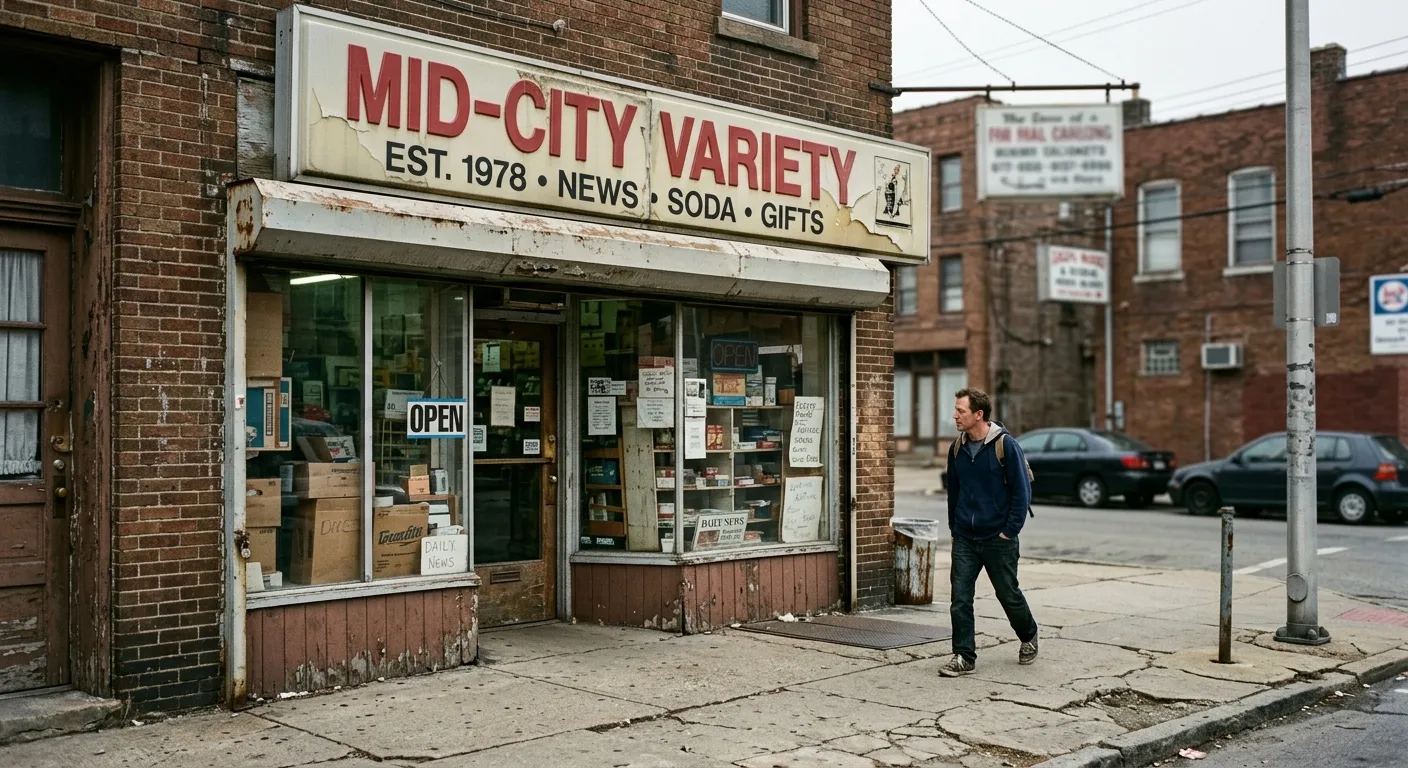
Review the message in the context where people will see it. A storefront display needs readable type, appropriate contrast and enough time to understand the offer; website studies do not establish a universal viewing-time threshold for pedestrians.
In those fifty milliseconds, your prospect evaluates your layout, your color scheme, and your visual structure. If the visual framework feels chaotic, clunky, or ancient, their survival instincts translate that visual noise into risk. They ask themselves: Are these people still operating? Is their information secure? If they do not care about their digital storefront, will they cut corners on my project?
In Southeast Michigan, where local business dynamics are shifting rapidly, this split-second evaluation is highly consequential. Just as downtown Detroit's physical revitalization has elevated standards for brick-and-mortar locations, consumer expectations for digital spaces have moved. When your digital design lags behind the physical transformation of your market, you create a profound disconnect that damages your hard-earned local authority.
Why Credibility is Tied to Code
Consider a regional logistics firm in Southwest Detroit, a precision manufacturing shop in Sterling Heights, or a commercial electrical contractor in Southfield. These companies may have decades of flawless safety records and peerless expertise. However, on the web, a dated presence functions as an invisible drain on business development. It actively pushes buyers away by introducing doubt before a single conversation occurs.
"A website is no longer a static yellow-pages listing. It is a live operations report. When a customer sees a broken layout or ancient typography, they assume the business behind it is operating with the same obsolete standards."
This reality is especially prominent in B2B procurement. Supply chain managers, corporate buyers, and real estate developers are increasingly professionals who grew up with modern tech. When they evaluate prospective local partners, a modern interface is a silent indicator of organizational health. It tells them that your operation is organized, efficient, and ready to coordinate with their systems.
The Red Flags of a Dated Web Presence
To fix a reputation problem, you first have to recognize what elements are giving your business a bad name. A dated website is not just a matter of color preference; it is defined by obsolete design patterns that active web users associate with security threats, inactive businesses, or poor service quality. Below are the core visual failures that immediately compromise your local legitimacy:
- Generic Stock Images: Photos of generic actors sitting in a pristine, unidentifiable conference room do not build trust in Detroit. Locals appreciate genuine community roots. They want to see your real yard, your actual equipment, and the team members who will show up to complete the work.
- Insecure HTTP Status: If your browser bar displays a "Not Secure" warning because you lack a simple SSL certificate, you are telling visitors that you ignore modern safety standards. This is the fastest way to lose a corporate contract.
- Dense Walls of Unformatted Text: Obsolete websites crammed search terms into endless, unformatted paragraphs. Modern design uses generous negative space, bold heading hierarchies, and readable line heights to let visitors find critical information in seconds.
Comparing User Perceptions of Web Design
To understand how minor design elements shape the client relationship, consider how consumers interpret different design eras:
| Design Element | The Dated Pattern (Trust Killer) | The Modern Pattern (Trust Builder) |
|---|---|---|
| Typography | Comic Sans, Times New Roman, or system Arial. Tiny, hard-to-read text crammed together. | Clean, variable sans-serif fonts (like Plus Jakarta Sans) paired with bold, expressive display fonts. Adequate line height. |
| Layout Grid | Fixed-width pages designed solely for desktop screens, causing broken mobile layouts. | Fluid, responsive CSS grids that adapt gracefully from an iPhone screen to a 30-inch ultra-wide monitor. |
| Visual Depth | Heavy bevels, drop shadows on everything, clip art, and loud textured backgrounds. | Flat design with subtle depth cues, micro-interactions, clean glassmorphism, and intentional white space. |
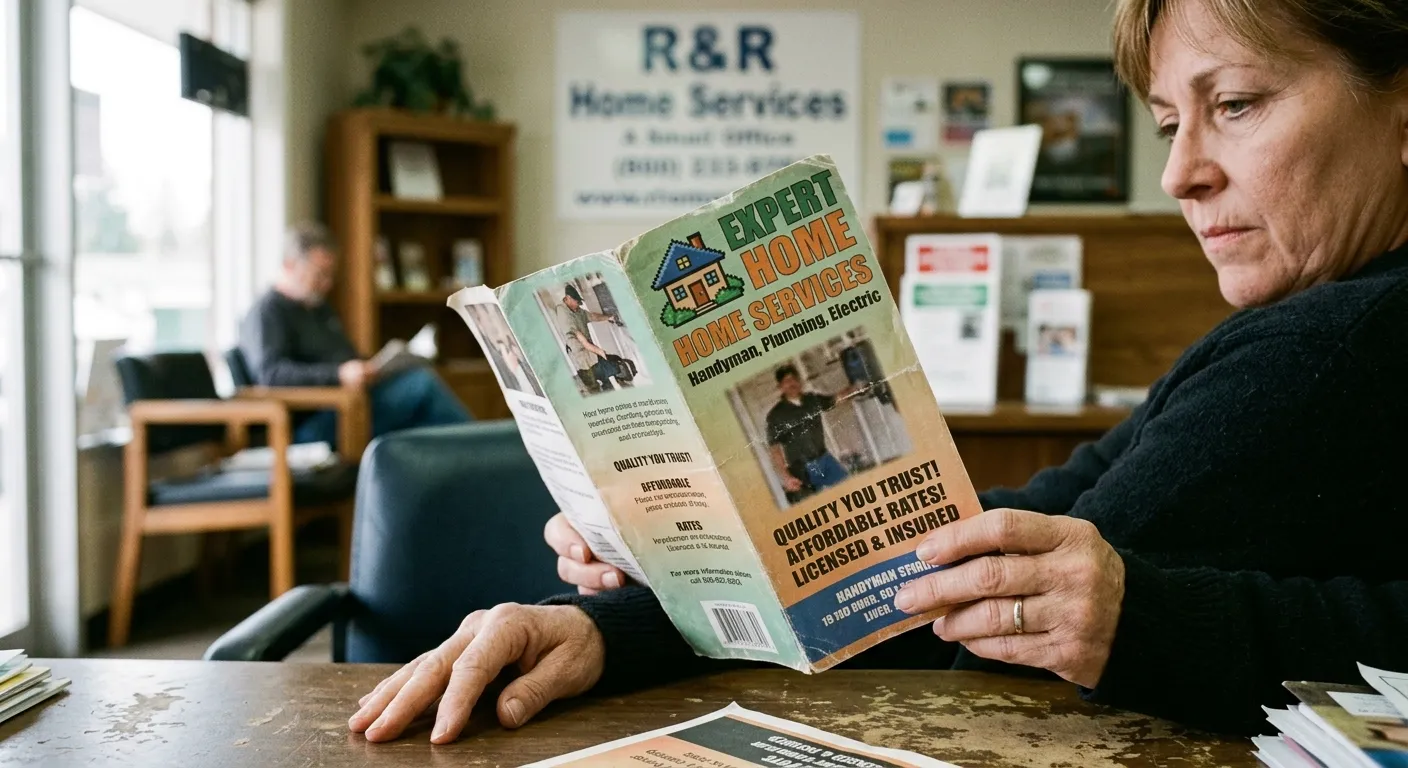
Modern interfaces establish immediate authority through balanced spacing, authentic local imagery, and fast loading times.
How Modern Interface Patterns Signal Reliability
If obsolete design drains trust, modern design builds it by establishing interface authority. When your digital platform is clean, fast, and structured, you are telling the visitor that you pay attention to detail. Every detail—from the smoothness of your navigation menu to the crispness of your icons—reflects back on your primary business services.
For local service providers, this is the ultimate competitive advantage. If every plumbing contractor, machine shop, or commercial real estate agency in your area has a slow, hard-to-use website, having a fast, highly polished digital presence immediately positions you as the premium choice.
By investing in high-performance digital design, you reduce friction for your clients. You make it effortless for them to request a quote, book a service, or review your portfolio. In doing so, you build a foundation of reliability before they ever speak with your team. Our Detroit neighborhood business communities are rapidly evolving, and local consumers expect local operations to match the level of sophistication they experience on global platforms.
The Actionable Path to Modernizing Your Presence
Upgrading your visual identity doesn't mean you need to lose your local heritage. In fact, a great visual refresh honors your history while upgrading your performance. Here is a concrete list of steps you can take today to audit and improve your online credibility:
- Check Your Speed and Mobile Functionality: Open your website on three different smartphones. Try to find your contact form, your physical address, and your main service offering within 5 seconds. If you can't, your layout is costing you money.
- Audit Your Imagery: Replace all generic stock photography with high-resolution, authentic photos of your actual team, office, or projects. Let your visitors see the real faces behind the business.
- Clean Up Your Typography: Limit your website to two primary font families. Ensure your body copy is highly readable with a font size of at least 16px and a line height of 1.6.
- Upgrade to HTTPS: Ensure your hosting provider has installed a valid SSL certificate. Secure sites protect your clients and are favored heavily by modern search engines.
By executing these foundational steps, you close the gap between your real-world expertise and your digital representation. You ensure that when a local customer seeks your services, your first impression reinforces—rather than undermines—your hard-earned local reputation.
Frequently Asked Questions
How do I know if my Detroit business website looks outdated to customers?
If your website relies on system fonts, is difficult to navigate on a smartphone, contains generic stock photography, or lacks an SSL certificate, it signals neglect. Modern consumers expect responsive grids, fast loading speeds, and clean typography that reflects real-world operational standards.
How quickly do visitors decide to leave a website if they do not like the design?
Review the message in the context where people will see it. A storefront display needs readable type, appropriate contrast and enough time to understand the offer; website studies do not establish a universal viewing-time threshold for pedestrians.
What are the most critical visual upgrades I should focus on first?
Focus first on securing your site with HTTPS, optimizing the layout for seamless mobile viewing, replacing fake stock images with real team photography, and simplifying your typography. These basic structural updates immediately remove major friction points and elevate visual authority.
Need to elevate your digital presence and establish real local trust?
From custom modern design to lightning-fast performance, we build digital infrastructure that backs up your real-world expertise.
Start a ProjectReady to put this into practice? Visit our custom web development page to see how we work.