Renovations do not go over budget. They go over the guess.
Almost every horror story starts the same way: a number given before anyone drew anything. We price after the drawings, and you can walk away at that point having lost a design fee rather than a year.
A project, week by week
- Week 0
Thirty minutes on the phone
What room, what is wrong with it, roughly what you want to spend, and when you need to be living normally again. By the end of it you have a range and we both know whether to keep going. There is no charge and no visit yet.
- Week 1
An hour in the house
We look at the things that decide the number: the foundation, where the mechanicals run, what is carrying load, and how old the wiring is. You get a written range afterward, not a pitch.
- Weeks 2–3
Design agreement
A fixed fee, scaled to the project. It covers measuring, drawing, structural coordination and pricing the work properly. The drawings belong to you whatever you do next.
- Weeks 3–10
Drawings and selections
Plans, elevations and details, then every selection made — tile, stone, fixtures, hardware, paint — before a price is quoted. This is the slow part and it is slow on purpose. Selections made during construction are how schedules die.
- Week 10
Fixed price and schedule of values
Line by line, with allowances stated openly. You see what is a firm number and what is a placeholder. Nothing is ordered until you have signed it.
- Weeks 12+
Permits, then the site
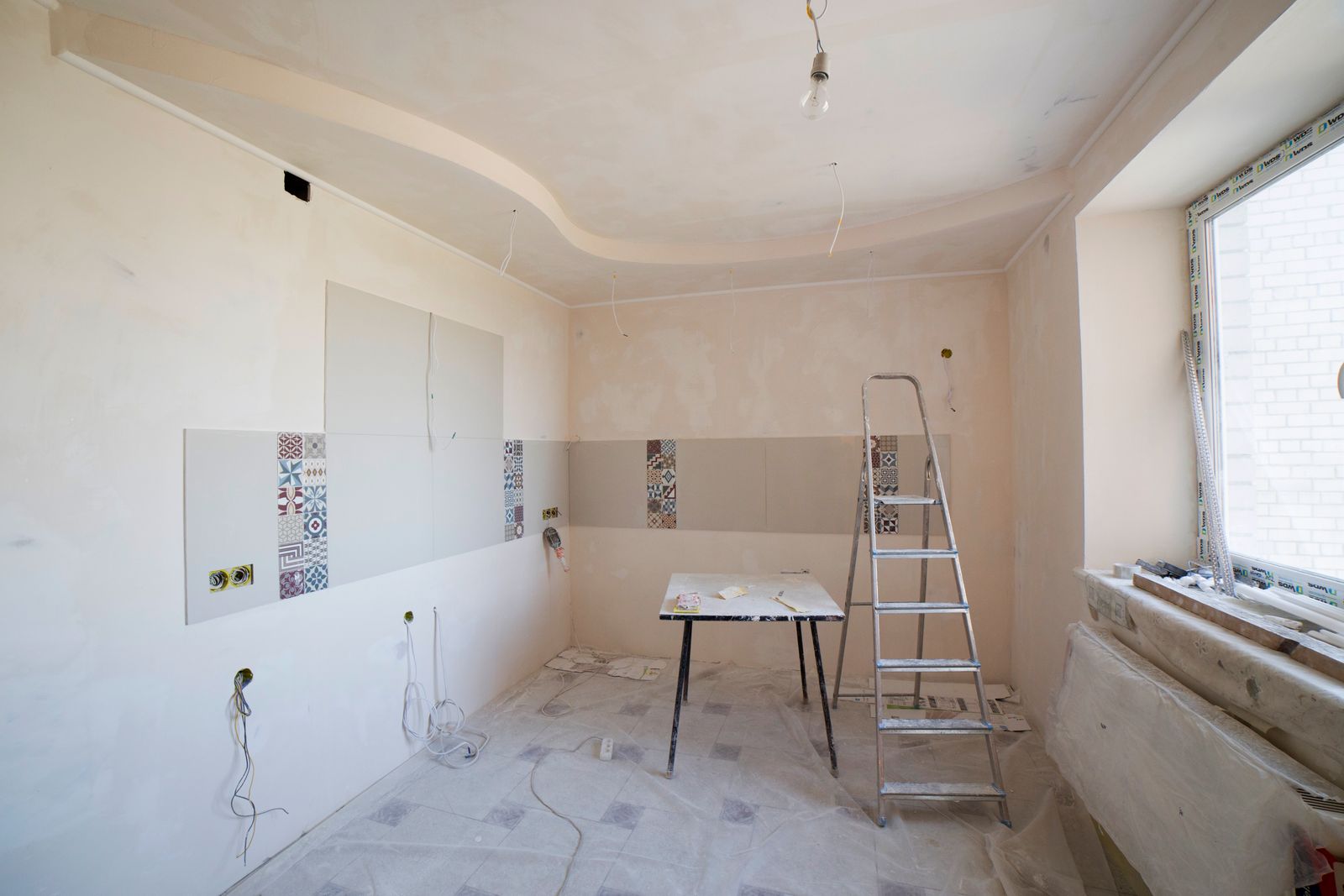
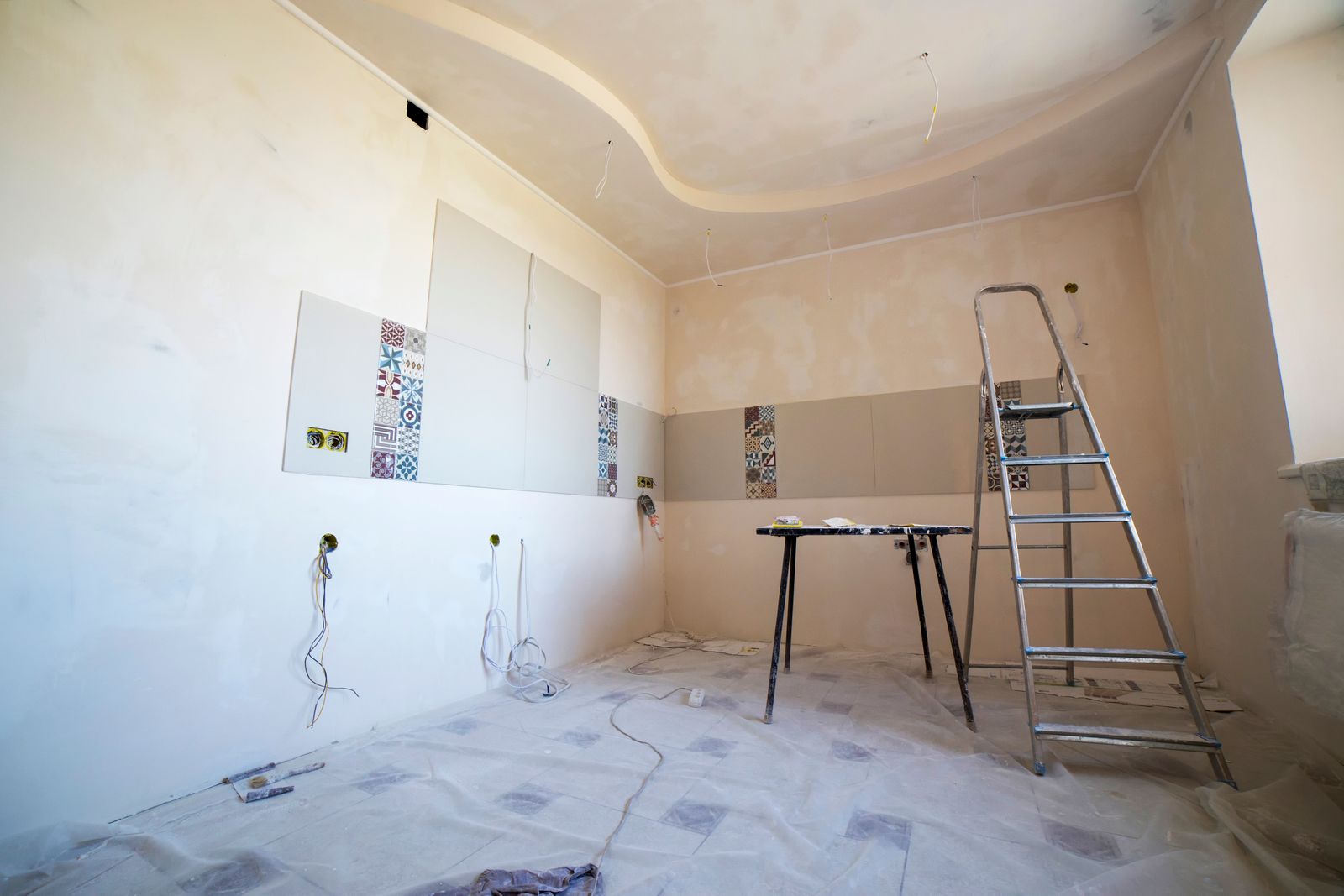
We pull the permits in your municipality and handle inspections. Dust walls and floor protection go up before demolition. One project manager is on site daily and you have their mobile number, not an office line.
- Weekly
Friday update, every week, without being asked
What happened, what is next, anything we found, and whether the schedule moved. Five minutes to write and it is the single thing clients say they valued most.
- Close
Punch list, handover, and eleven months later
We walk the job with you and write the list together rather than handing you ours. Manuals, warranties and paint codes go into a folder. Two-year warranty on our workmanship, and we come back at eleven months to fix whatever the first winter found.
What living through it is actually like
Nobody tells you this part, so: a kitchen renovation means no kitchen for the whole of it. We set up a temporary one — usually the dining room, with the fridge, a microwave and a kettle — on day one, and it is in the price.
There will be dust despite the dust walls. There will be a week where nothing appears to happen because it is all inspections. And there is a point around two-thirds through where every client hates the project. That week is normal, it is on the schedule, and knowing it is coming helps more than you would think.
Who is actually in your house
The same two carpenters for the duration, both employed by us rather than day labor. Subcontracted trades — electrical, plumbing, HVAC, plaster, tile — are people we have used for years and can name. You get the list before we start, and everyone on it carries their own insurance, which we verify annually rather than taking on trust.
If something goes wrong
You call the project manager. If that does not fix it you call the owner, whose number is on the contract. There is no third step, because there is no third layer of company.
Ready to find out what your project is?
The first conversation costs nothing and usually saves somebody a lot of time — sometimes ours.