Updated September 23, 2026 · Editorial review by Iron Digital MI
← Back to BlogIn Detroit, the currency of neighborhood commerce is trust. Whether you run a storefront retail boutique along the Avenue of Fashion, manage a busy physical clinic in Corktown, or operate an independent HVAC firm servicing Wayne County, your business relies on local, face-to-face relationships. Over the last decade, maintaining those connections has shifted online. We use digital payment portals, cloud booking software, and local databases to keep the engines of neighborhood trade running smoothly.
But this digital transition has introduced a major vulnerability. A quiet threat now lines the digital channels of small storefronts. Automated security attacks are surging, putting localized data directly in the crosshairs. For a local retailer or service business, a security leak is not a remote corporate event; it is an immediate threat to the community reputation you spent years building.
Key Takeaways
- Automated dragnet scripts target vulnerabilities, not specific brands. No business is too small to fall victim to automated ransomware scanning.
- Isolating business infrastructure is critical. Keep your private administrative systems, point-of-sale machines, and public-facing customer Wi-Fi on segregated networks.
- Digital safety directly influences real-world credibility. Secure website practices and solid design build the foundation of long-term community relationships.
The Street-Level Reality of Modern Digital Risk
The single most dangerous misconception among Detroit retail and service business owners is the belief that they are invisible to bad actors. It is natural to assume that digital thieves only care about deep corporate vaults or high-profile tech firms operating inside Detroit's expanding technology corridor. This is a severe misunderstanding of how online threats operate.
Today's cybercriminals rarely launch manual, tailored operations against localized businesses. Instead, they run broad, automated scanning scripts. These programs continuously crawl the web, checking thousands of IP addresses, routers, and web applications every minute to find unpatched software, weak administrative passwords, or exposed customer records. They do not care about your brand name; they look for any unlocked door. If your local point-of-sale network, customer list, or back-office scheduling system has an open vulnerability, these automated scripts will exploit it.
If you keep home addresses, contact lists, credit cards, or service logs on local systems, you hold valuable data. When an automated ransomware script encrypts a local machine, or a credential breach exposes customer emails, the financial recovery costs are only the beginning of your worries. The absolute cost to community trust is what really breaks a small brand.
Identifying the Three Most Common Operational Blindspots
You do not need to invest thousands of dollars in deep corporate IT teams to protect your shop. Most breaches are not the result of advanced digital exploits. They happen because of simple, everyday oversights that go unnoticed. Correcting these three major habits will eliminate most of your local security exposure.
1. The Shared Access Hazard
In many fast-paced retail shops, everyone uses a single "admin" login to access Shopify, Clover, or local client directories. When credentials are shared among several employees, tracking individual usage becomes impossible. If an employee's personal device is compromised or a password is leaked, your entire customer archive is instantly exposed. Enforcing individual, restricted log profiles is a basic requirement for protecting business systems.
2. Merged Customer and Business Wi-Fi
Offering free internet to customers is an excellent way to invite visitors to dwell longer at your shop, but letting those customers join the exact same network that handles your credit card terminals or business desktop is a major vulnerability. If a guest device carrying automated malware connects to a unified business network, it can actively probe your local office files, card printers, and internal servers.
3. Overlooked Hardware and Software Updates
Running a localized company means wear and tear isn't just physical. Your internet router, network switch, and point-of-sale software accumulate digital vulnerabilities over time. When hardware vendors identify security gaps, they issue patches. Postponing these updates leaves a known digital entrance wide open for automated exploit scripts.
"If your customer booking page or online store presents users with a raw security warning, you do not just lose a transaction—you permanently lose that consumer's long-term business."
Vulnerability Remediation Plan
To help you systematically protect your local physical or digital store, use this table to prioritize updates according to immediate impact and implementation effort.
| Security Vulnerability | Immediate Tactical Remedy | Implementation Effort |
|---|---|---|
| Shared Point-of-Sale Logins | Create unique, individual staff profiles with minimum user privileges. | Low (15 Mins) |
| Unified Store and Public Wi-Fi | Enable router network segmentation to run Guest, POS, and Admin lines separately. | Medium (1 Hour) |
| Outdated Router Firmware | Access hardware settings and turn on auto-updates for security patches. | Low (10 Mins) |
| Local Spreadsheet Customer Lists | Migrate plain Excel customer registries to encrypted, cloud-based CRM systems. | Medium (2 Hours) |
Building Client Confidence Through Clean Web Security
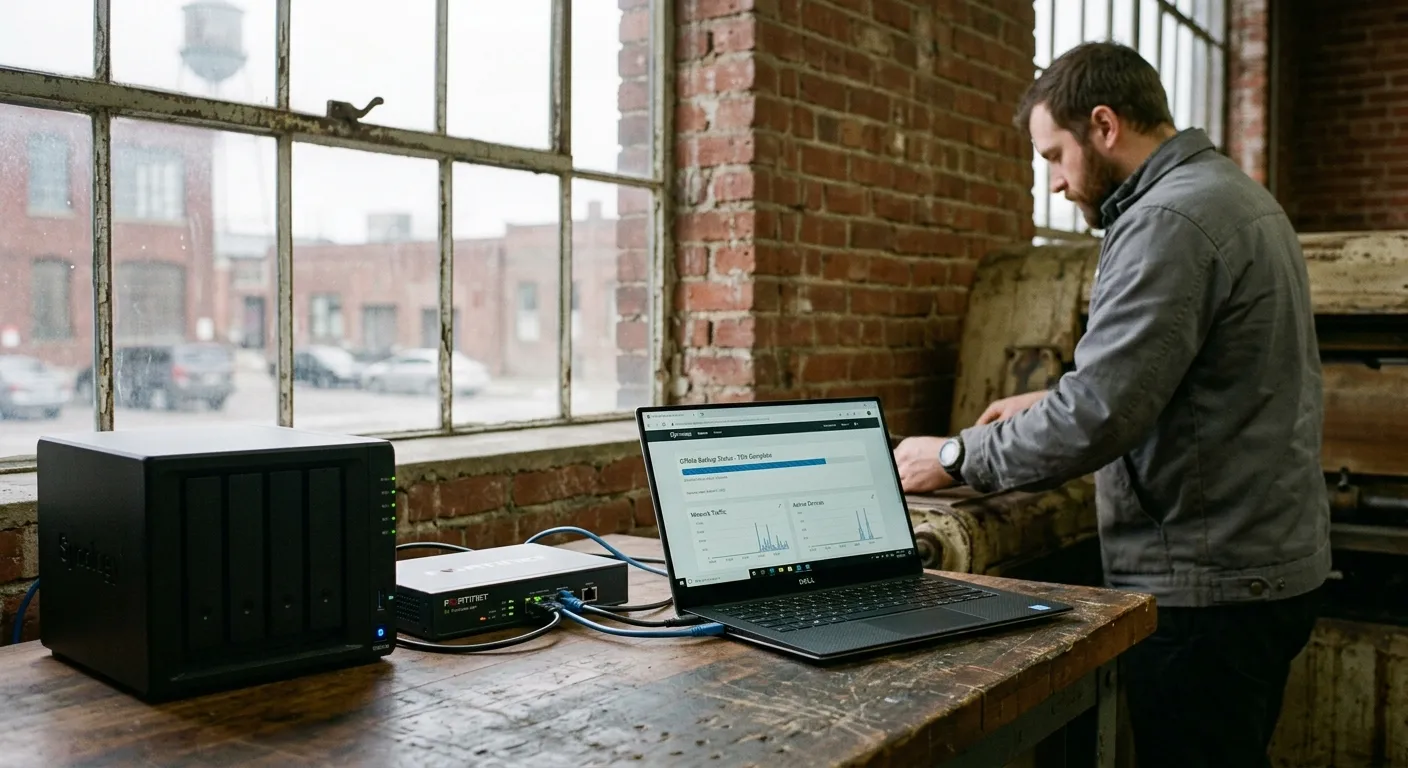
Operational resilience in action: Modern storefronts protect customer transactions by keeping hardware updated and isolated from public connections.
The 4-Step Action Plan for Detroit Retail and Service Teams
You can dramatically secure your operations today by following these four highly actionable priorities:
- Enforce Multi-Factor Authentication (MFA): Activate MFA across your email, payment tools, and client directories. MFA prevents almost all common automated credential-stuffing exploits.
- Segregate Your Wi-Fi Networks: Configure separate SSIDs on your physical router. Keep guest web traffic, transaction terminals, and business office laptops on separate networks.
- Limit Data Access Privileges: Give staff only the exact tools needed for their specific tasks. A floor manager does not need full administrative rights to export your master business database.
- Maintain a Simple Recovery Checklist: Write down a clear incident playbook. Define who to contact, how to temporarily lock network traffic, and how to notify clients if an incident occurs.
As we observe throughout the shift to modern neighborhood storefronts in Detroit's neighborhoods becoming digital frontiers, the bond with your community depends directly on real-world reliability. When you take direct steps to defend your data systems, you demonstrate that local trust is your most valued business asset.
Developing a Security-First Staff Culture
Even the most advanced digital protection plans will fail if your team does not practice basic security habits. Your staff represents your first and most critical defense system. Educating them does not require extensive, formal corporate seminars; it can easily fit into a ten-minute monthly team update.
Ensure your team understands how to spot basic phishing emails, which often try to create a false sense of urgency. Teach them to verbally confirm any unexpected request for banking details, password changes, or vendor payouts—even if the email appears to come directly from you. By pairing clear physical network security with consistent team habits, you build a resilient storefront that keeps local trade safe, secure, and thriving for years to come.
Frequently Asked Questions
How can a Detroit retail storefront afford professional data security on a tight budget?
Start with individual accounts, appropriate access, multifactor authentication, current software and tested backups. These controls address specific risks; they do not establish a percentage of the business that is secure.
Why are neighborhood shops targeted by automated cyberattacks?
Cybercriminals use automated scripts that crawl the web looking for outdated platforms, unpatched vulnerabilities, and simple password combinations. They do not target your brand specifically; they target the structural weaknesses in your digital tools.
Do cloud POS systems like Square or Shopify keep customer transactions completely secure?
While cloud platforms maintain excellent encryption standards, your local security matters. If employees share weak passwords or access the terminal over unsecured, public store Wi-Fi, malicious actors can easily compromise the store portal.
What is the fastest way to respond to a customer data breach?
Immediately isolate compromised hardware, update all system passwords, and systematically audit user log history. Communicate openly with affected local clients to maintain business credibility, showing a fast, transparent plan to secure their data.
Need Secure, High-Performance Digital Infrastructure?
We design fast, resilient websites and internal system automations that protect your customer data and build lasting brand authority.
Start a ProjectReady to prioritize digital trust? Visit our onboarding portal to coordinate a secure design consultation.