
Updated September 23, 2026 · Editorial review by Iron Digital MI
← Back to BlogFor any local business owner, waking up to find your business missing from Google Maps is a commercial nightmare. One evening your team is fielding calls and dispatching crews; the next morning, your primary customer acquisition channel is gone. No warning. No direct explanation. Just a sterile system email or a red notification badge in your dashboard stating: "Your business profile has been suspended due to quality issues."
When this happens, the instinctual reaction is panic. Business owners often make the fatal error of immediately creating a brand-new listing in an attempt to bypass the block. This does not work. In fact, it actively signals to Google's automated spam-detection filters that you are operating in bad faith, turning a temporary compliance issue into a permanent administrative ban. To survive a suspension, you must treat the situation as an administrative audit. You need to gather structural proof of your operations, analyze the exact algorithmic trigger, and work Google's formal appeal process systematically.
Key Takeaways
- Never create a duplicate listing: This is a critical error that compounds your suspension, destroys existing review history, and signals systemic spam behavior to Google.
- Diagnose before appealing: Identify the underlying compliance trigger, such as keyword stuffing, shared co-working spaces, service area overlaps, or inconsistencies in your physical documentation.
- Compile airtight physical proof: Gather legal registrations, utility bills, business licenses, and clear photographic evidence matching your exact listing address and legal entity name.
Anatomy of a Suspension: Soft vs. Hard
Google enforces local search quality through a hierarchy of suspension types. Understanding which category your profile falls into dictates your operational response. A soft suspension locks you out of managing your data, while a hard suspension removes your presence from search results completely.
| Suspension Type | Search & Map Visibility | Primary Triggers | Immediate Action Required |
|---|---|---|---|
| Soft Suspension | Visible to Public, Owner Locked Out | Manager account security compromise, minor profile edits, or unverified changes. | Review manager accounts, revert recent edits, and re-verify ownership credentials. |
| Hard Suspension | Completely Removed from Web | Address violations, keyword-stuffed business name, or high-risk business categories. | Modify profile data to strictly align with legal documents, then compile a full reinstatement appeal. |
| User Account Suspension | Varies (All Admin Listings Affected) | User profile flagged for spam edits, policy violations, or suspicious activity. | Remove the flagged owner/manager profile from your listings immediately using a clean owner account. |
The Triggers: What Sets Off Google's Alarms?
Google's local quality algorithms are highly sensitive, automated, and prone to collateral damage. Knowing the common compliance triggers allows you to fix the underlying issues before you present your case to human moderators.
- Name Stuffing (Keyword Injections): Adding descriptors like "Best Plumber Near Me" or "Affordable Roof Repair in Detroit" to your business name is a direct violation of Google’s Terms of Service. Your listing name must match your legal business name exactly as filed with regulatory authorities.
- Virtual Offices, P.O. Boxes, and Shared Workspaces: Google demands a physical location where customers can conduct business, or a clear physical base for service area operations. Renting a mailbox at a UPS Store or using an unstaffed shared desk at a co-working facility to claim a prime metropolitan address will trigger an immediate hard suspension.
- Overlapping Service Areas (SABs): If you run a Service Area Business (such as an HVAC technician or landscaper) where you travel to clients, you must hide your address. Setting up multiple profiles using home addresses of employees or relatives to artificially dominate adjacent suburbs is viewed as coordinates-manipulation.
- Suspicious High-Risk Categories: Locksmiths, garage door repair shops, moving companies, and plumbers are historically plagued by lead-generation spam networks. If you operate in these categories, even minor edits (like updating a phone number or adding an editor) can flag your listing for review.
"A suspended profile is not a death sentence; it is a compliance audit. Google's algorithmic filter is designed to err on the side of caution. Your job is to provide absolute, undeniable proof that your physical footprint is real."
Gathering Your Reinstatement Evidence
When you file an appeal, your case is ultimately routed to a human reviewer who will cross-check your digital data against your physical operating presence. This is where most business owners fail because they submit incomplete, blurry, or loosely associated documents.
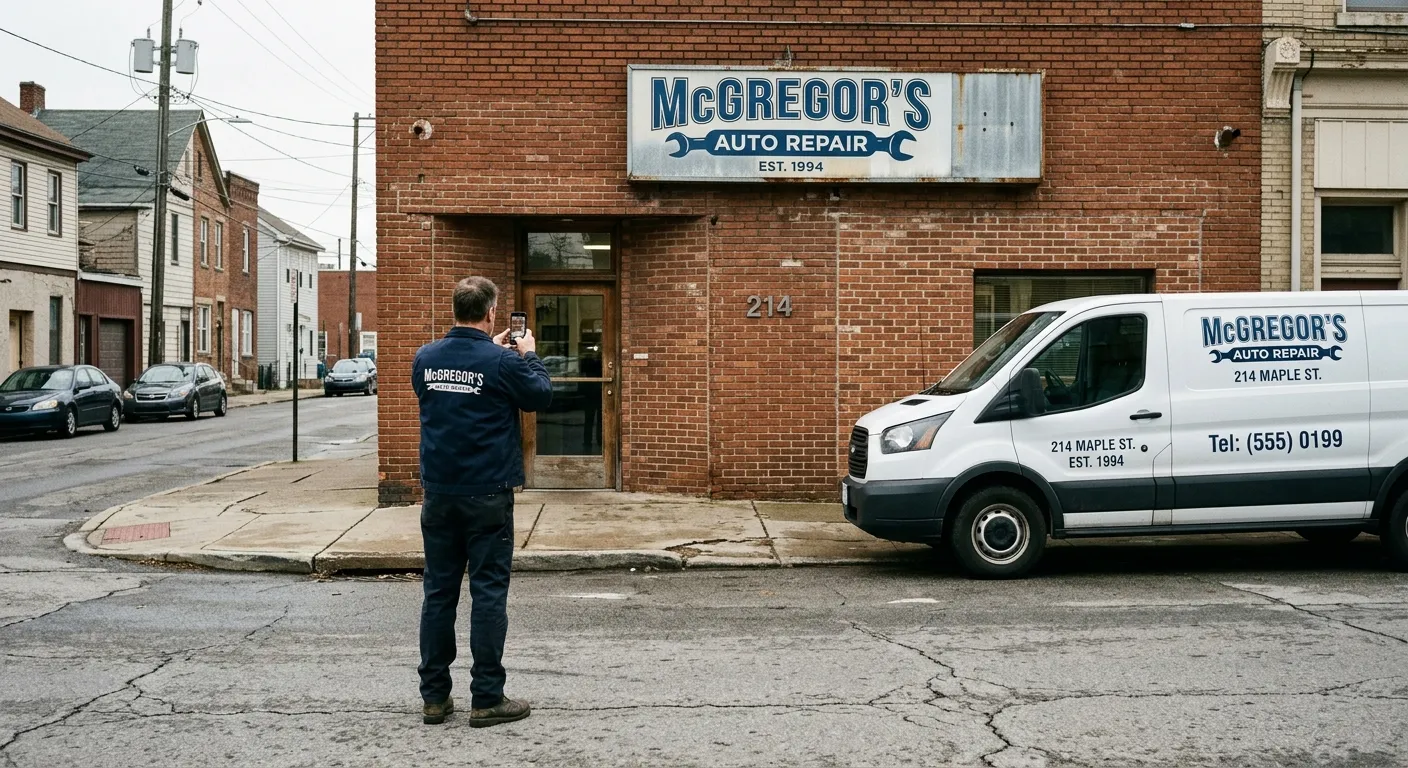
The Google Business Profile appeal tool requires clean, high-resolution PDF documentation showing your official business name and physical registration address matching your dashboard precisely.
Before you open the reinstatement tool, verify that you have collected the following documentation in clear, uncropped PDF formats:
- Official Business Registration: If you operate in Michigan, this is your official filing from the Department of Licensing and Regulatory Affairs (LARA). Ensure the entity name on your registration matches your profile name precisely.
- Utility Bills: A physical utility bill (gas, electric, water, or internet) is the gold standard of location verification. The bill must be dated within the last 90 days and display your legal business name and physical address exactly as they appear on your profile.
- Tax Documentation: An IRS EIN letter, local sales tax registration, or city business license showing your physical operating address.
- Physical Branded Assets: High-resolution, unedited photos of your permanent exterior signage, building entry points, company vehicles wrapped with your logo, or interior office space with clear branding.
The Reinstatement Appeal Workflow
Once your profile is systematically cleaned of compliance infractions—such as removing stuffed keywords from your name or hiding an unpermitted address—you are ready to execute the appeal. Understanding this workflow prevents the common trap of getting stuck in administrative loops.
As you expand your local footprint and optimize your presence across Detroit's growing neighborhood markets, establishing a secure, verified local presence is the bedrock of search authority. Do not bypass the system; work within it.
- Access the Google Business Profile Appeal Tool: Log in to the primary Google account associated with your listing and navigate to the dedicated Google Business Profile Appeal Tool. The interface will display the status of your suspended listing.
- Verify Dashboard Data Inconsistencies: Before clicking "Appeal," review your listing data. Ensure that no pending edits are active and that your registered address is identical in formatting to your utility bills.
- Upload the Proof Packet: Attach your prepared documents. Combine your LARA business filing, recent utility bills, and branded photos into a single, clearly labeled PDF if possible, or upload them individually using descriptive filenames (e.g., LARA-Michigan-Business-Registration-LLC.pdf).
- Write a Concise, Non-Emotional Statement: In the text box provided, state the facts clearly. Explain the nature of your business, verify that you comply with all guidelines, and list the attached documents. Avoid complaints about lost revenue; keep the tone purely professional.
- Wait for the Support Queue: Once submitted, do not open duplicate tickets, file forum posts, or edit your profile. Creating multiple threads resets your position in Google's review queue, significantly delaying your recovery.
Mitigating Algorithmic Risk with Owned Media
The sudden loss of a Google Business Profile highlights a core structural risk in modern local marketing: relying exclusively on a third-party platform for customer acquisition. While Google is a massive engine for traffic, your listing is rented space. A single automated shift can shutter your organic pipeline without your consent.
Just as substantial physical developments require deep planning and structural diversification, which we observe in downtown Detroit's ongoing commercial revitalization, your digital storefront must be built on diversified foundations. You must secure your business by investing heavily in owned digital assets—principally, an optimized, fast, and authoritative custom website.
A high-performing, custom-coded site acts as an alternative safety net. By running localized landing pages, structured schemas, and robust SEO content directly on your own domain, you ensure that even if your Map listing faces temporary disruption, your organic rankings can sustain your inbound pipeline. This balance of local directory optimization and owned website architecture is the only way to build a resilient local brand that survives algorithmic updates.
Frequently Asked Questions
Why was my Detroit business listing suspended on Google Maps?
Google suspensions are usually triggered by automated checks detecting inconsistencies in your business name, address, or service area. Common issues include adding keywords to your business name, using a PO Box or virtual office address, or setting up overlapping service territories that violate Google's guidelines.
How long does it take Google to reinstate a listing in Michigan?
Reinstatement times typically range from 3 to 14 business days, depending on Google's current support queue and the complexity of your case. Providing high-quality, clear PDF evidence like your Michigan LARA registration or local utility bills on your first appeal drastically reduces processing times by avoiding repeated requests for information.
Should I create a new Google listing if my current one gets suspended?
No, creating a new listing is a critical mistake that will likely lead to an immediate permanent suspension of both listings. It permanently deletes your existing search authority, customer reviews, and historical rankings, while signaling to Google's automated systems that you are trying to bypass policy enforcement.
Does changing my business address in Detroit trigger a suspension?
Yes, updating your physical address is one of the most common triggers for an automated Google Business Profile suspension. To safely change your address, update your registration documents with the state of Michigan first, ensure you have a utility bill showing the new address, and upload these documents as soon as the profile triggers a verification check.
Struggling with local search visibility or a suspended Google listing?
We build robust web presences, secure local directory authority, and design custom technical frameworks that protect your brand. Don't let algorithmic shifts wipe out your pipeline.
Start a ProjectReady to secure your digital footprint? Visit our local presence optimization services to see how we protect and scale businesses.