Updated September 23, 2026 · Editorial review by Iron Digital MI
← Back to BlogDetroit’s geography is changing rapidly. The physical revival of the Michigan Central Station in Corktown and the ongoing density gains in the downtown corridor have triggered a quiet migration of highly paid developers, systems analysts, and technology professionals into the city. These new residents are not just working remotely for coastal startups or building automated manufacturing systems; they are establishing roots, purchasing homes, and demanding a new speed of commerce from local service providers.
For a long time, local plumbing companies, boutique dental offices, law firms, and HVAC specialists could survive with outdated digital presences. Word-of-mouth networks and static websites served as acceptable buffers. But the incoming demographic lives on their phones, makes purchasing decisions in minutes, and considers friction a dealbreaker. If your business depends on a hard-to-navigate contact form or a site that struggles to load over a standard mobile connection, you are effectively invisible to this consumer base.
Key Takeaways
- Speed is Non-Negotiable: Modern users abandon websites that lag. Every fraction of a second directly influences bounce rates and conversion potential.
- Self-Service Booking Rules: Tech-forward consumers refuse to call during business hours or fill out manual forms; they expect immediate, visual schedule confirmations.
- Mobile First or Last: With near-universal mobile local search usage, companies must design interfaces specifically optimized for hand-held scrolling and rapid interactions.
The Demographics Moving Into Corktown and Downtown
This demographic shift is not a temporary trend. Massive investments in innovation centers like Newlab Detroit and the modernization of urban living spaces are drawing specialized workers. These residents are accustomed to highly refined software interfaces. They use automated tools to manage their lives, purchase products with single-click checkouts, and navigate services on demand.
When seeking a local accountant, home remodeler, or medical professional, they apply the exact same consumer standard. They search on mobile, read reviews instantly, and try to purchase or book without speaking to a representative. They assume that if a local business owner operates with an outdated, broken website, their actual services will be similarly slow and unorganized. To gain their trust, your digital presence must match their standards of modern living.
A major driver of this change is physical density. As discussed in our analysis of Downtown Detroit's Revitalization and What It Means for Local Businesses, the commercial and residential centers of the city are concentrating customer demand. Businesses operating in this environment can no longer afford to delay updates to their online architecture.
| Operational Priority | Traditional Strategy | Modern Tech Worker Expectation |
|---|---|---|
| Contact Method | Phone calls, manual forms with 48-hour response times. | Immediate automated text channels or self-scheduling calendars. |
| Information Delivery | Multi-page PDFs, desktop-only navigation hierarchies. | Clean, single-scroll mobile layouts and transparent upfront pricing. |
| Site Performance | Uncompressed files causing 5-to-10 second load delays. | Sub-second paint times, highly optimized responsive assets. |
The Real Cost of Slow Mobile Speed
Performance optimization is not an abstract concept discussed only by software engineers. It directly impacts your bottom line. When a modern consumer uses a mobile search while walking down Michigan Avenue or sitting in a coffee shop in Capitol Park, they expect pages to load instantly. If the site hesitates, they tap the back button and select the next search result.
Furthermore, Google’s ranking systems heavily weigh mobile performance. Fast sites get prioritized in geographic search results. To stay visible, local businesses must transition away from builder platforms that generate bloated code and prioritize lightweight, custom architectures that respond instantly to touch gestures.
Designing for Mobile Search and Local Intent
The new workforce relies heavily on localized queries to find businesses. They look for practical phrases: "plumber near Corktown," "clinical massage midtown Detroit," or "commercial contract lawyer downtown." If your local optimization is weak or absent, your business will fail to appear when these queries run.
Optimizing for this scenario requires more than just listing a physical address. Your site must contain location-specific landing pages that outline your service boundaries, provide clear directional cues, and highlight reviews from other neighborhood clients. As we highlighted when reviewing how Detroit's Neighborhoods Are the Next Digital Frontier, targeting localized pockets of density creates a powerful advantage over generic national providers who attempt to blanket the entire region with bland, general content.

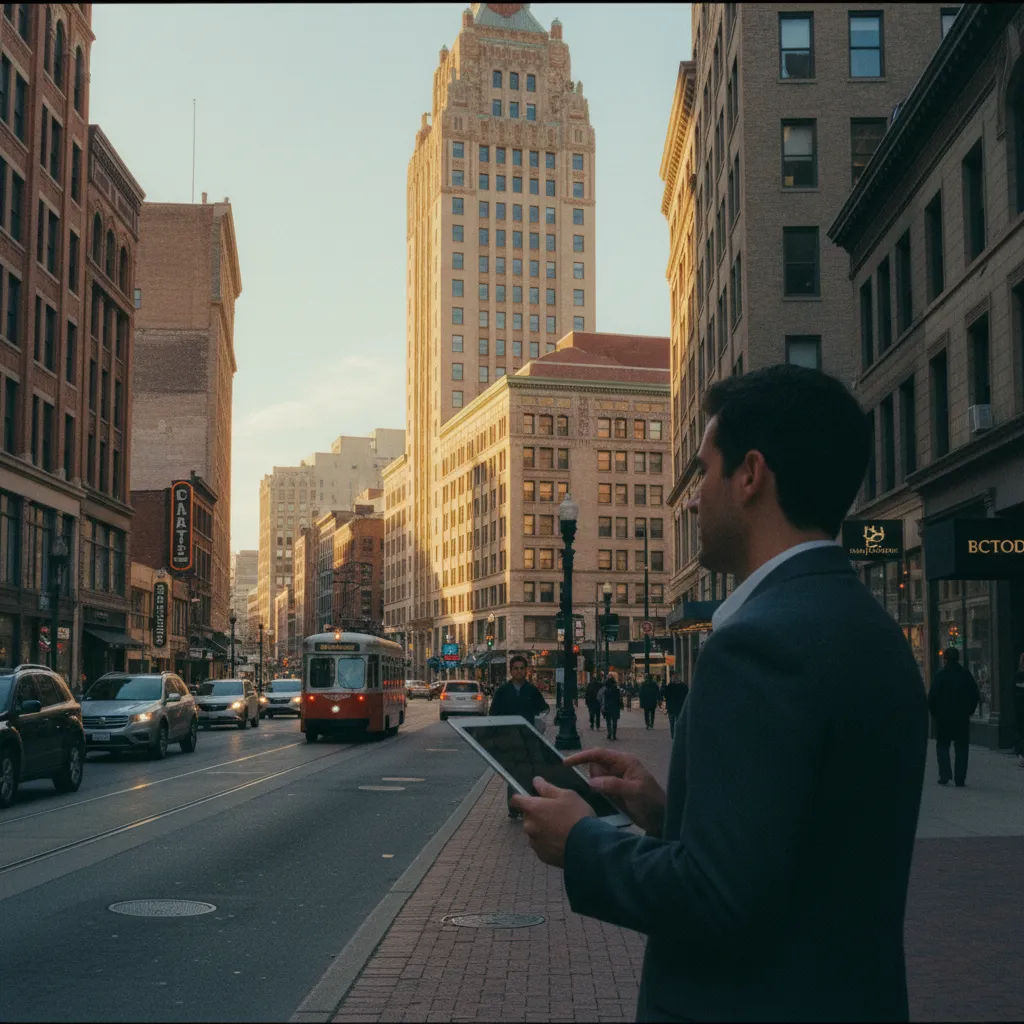
Frictionless digital portals that allow local customers to schedule services in seconds are essential for capturing high-intent leads.
Frictionless Conversions: Replacing the Phone Call
Historically, local service businesses operated with a simple contact model: "Call our office for an estimate." This is a major friction point for the modern tech workforce. Many younger professionals choose to avoid phone calls whenever possible. They prefer to handle scheduling during off-hours, late at night, or via quiet messaging during meetings. A business that requires a voice conversation to initiate a basic service transaction will lose out to competitors who offer self-service scheduling.
Implementing direct scheduling does not mean losing control of your workflow. Modern systems integrate directly with calendar systems (like Google Calendar or Outlook) to protect your working hours, set deposit requirements, and manage arrival windows automatically. This automation protects your time while meeting the buyer’s demand for instant confirmation.
How to Modernize Your Intake Channels
- Real-Time Calendar Schedulers: Embed direct booking solutions such as Calendly, Housecall Pro, or ServiceTitan directly on your home page, allowing prospects to secure times in real time.
- Automated Text Lines: Set up web-to-text messaging integrations so customers can initiate a service inquiry via SMS directly from your mobile landing page.
- Upfront Estimation Calculators: Use structured forms that calculate pricing baselines instantly based on simple user selections, removing the back-and-forth email loops.
A Step-by-Step Action Plan for Detroit Businesses
For business owners ready to transform their digital presence to match this growing, affluent demographic, we recommend focusing on three progressive milestones:
- Analyze and Clean Your Current Speed Profile: Run your site through Google PageSpeed Insights. Eliminate redundant design files, reduce server response times, compress large high-definition images, and transition to reliable cloud hosting platforms.
- Overhaul the Navigation for Thumb Actions: View your mobile site. Ensure that critical links are easy to hit with your thumb and that booking pathways do not require magnifying gestures or horizontal scrolling.
- Deploy Trust Markers Immediately: Highlight authentic client feedback, state-mandated licenses, and high-quality photography of your actual team working in Detroit neighborhoods. Avoid generic stock images.
Making these improvements ensures that as Corktown, downtown, and the adjacent neighborhoods grow, your business remains structurally equipped to grow alongside them. The new workforce is active, motivated, and well-funded. Making it easy for them to purchase from you is the single most valuable operational upgrade you can perform this year.
Frequently Asked Questions
Why shouldn't I rely on standard contact forms for leads?
Tech-forward customers avoid open-ended contact forms because they dislike waiting for replies. Integrating real-time self-scheduling tools directly on your page captures these high-intent leads instantly. Removing back-and-forth communication friction dramatically boosts conversion rates.
What structural updates are needed to attract high-earning Detroit residents?
Focus on a mobile-first layout, visible pricing options, and clear local credibility markers. They demand immediate answers, easy navigation via thumb movements, and fast page performance. Websites that look outdated or load slowly on mobile lose credibility in seconds.
How can my local service business compete with national booking platforms?
By offering a localized, fast digital booking system that matches or beats national platforms in speed. When you combine local authority, authentic neighborhood testimonials, and a frictionless online checkout, national competitors lose their edge.
Building a Detroit company and need the digital infrastructure to back it?
From custom web systems to frictionless customer intake automation, we build modern platforms that help local brands secure high-value clients.
Start a ProjectReady to put this into practice? Visit our custom web development page to see how we work.