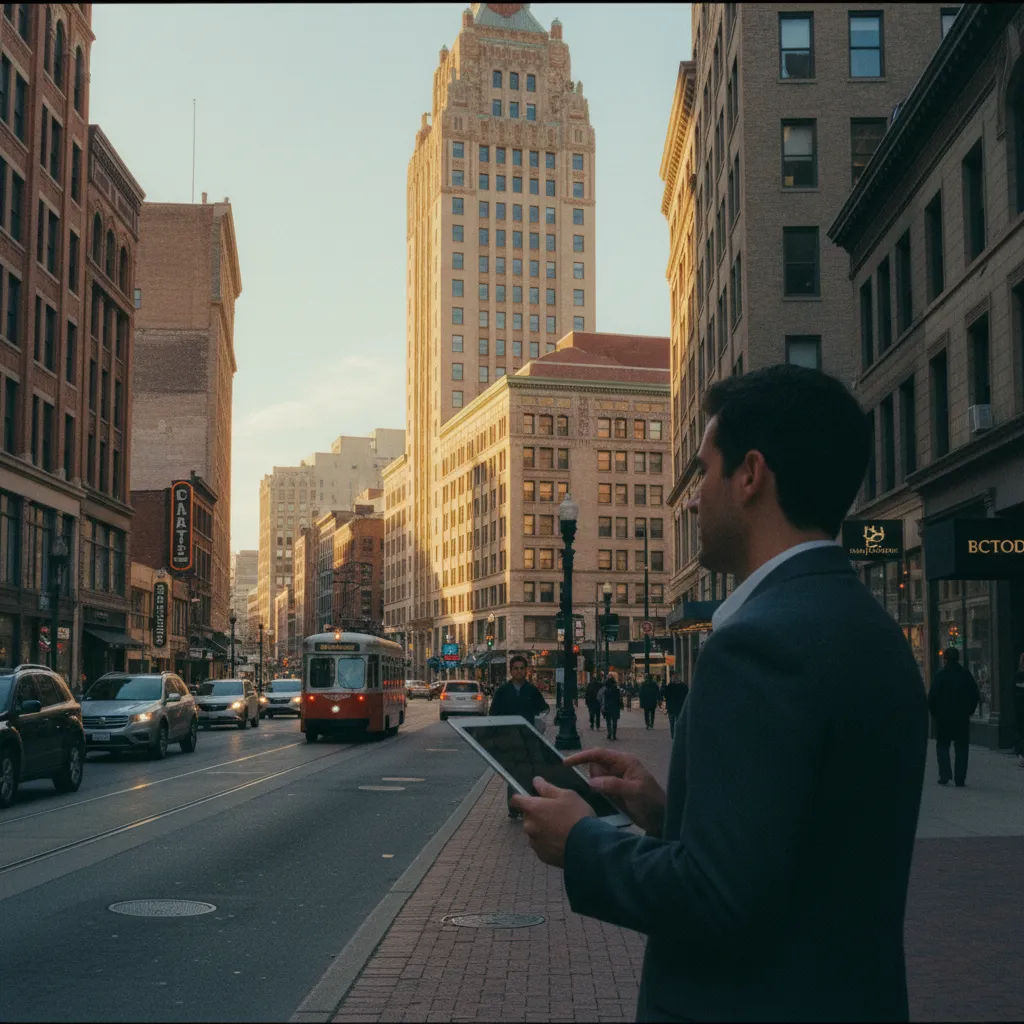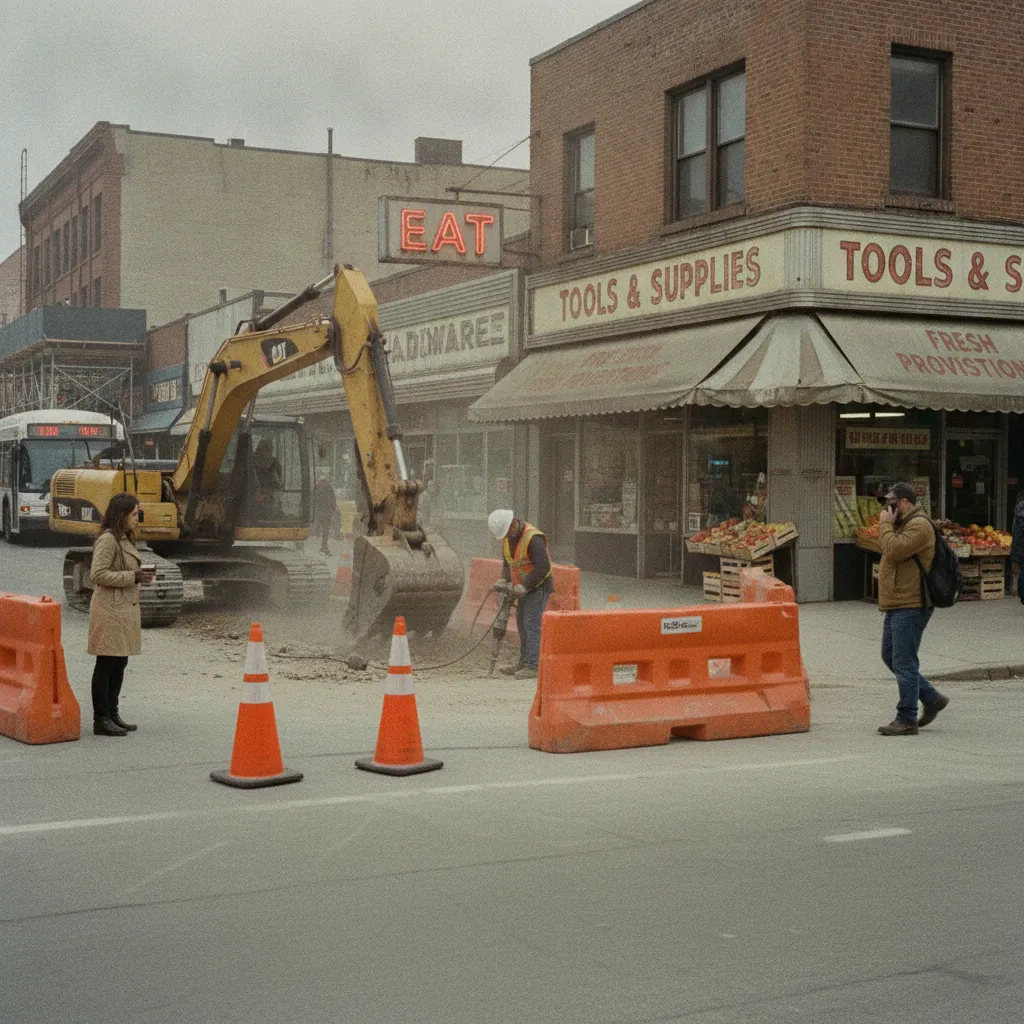
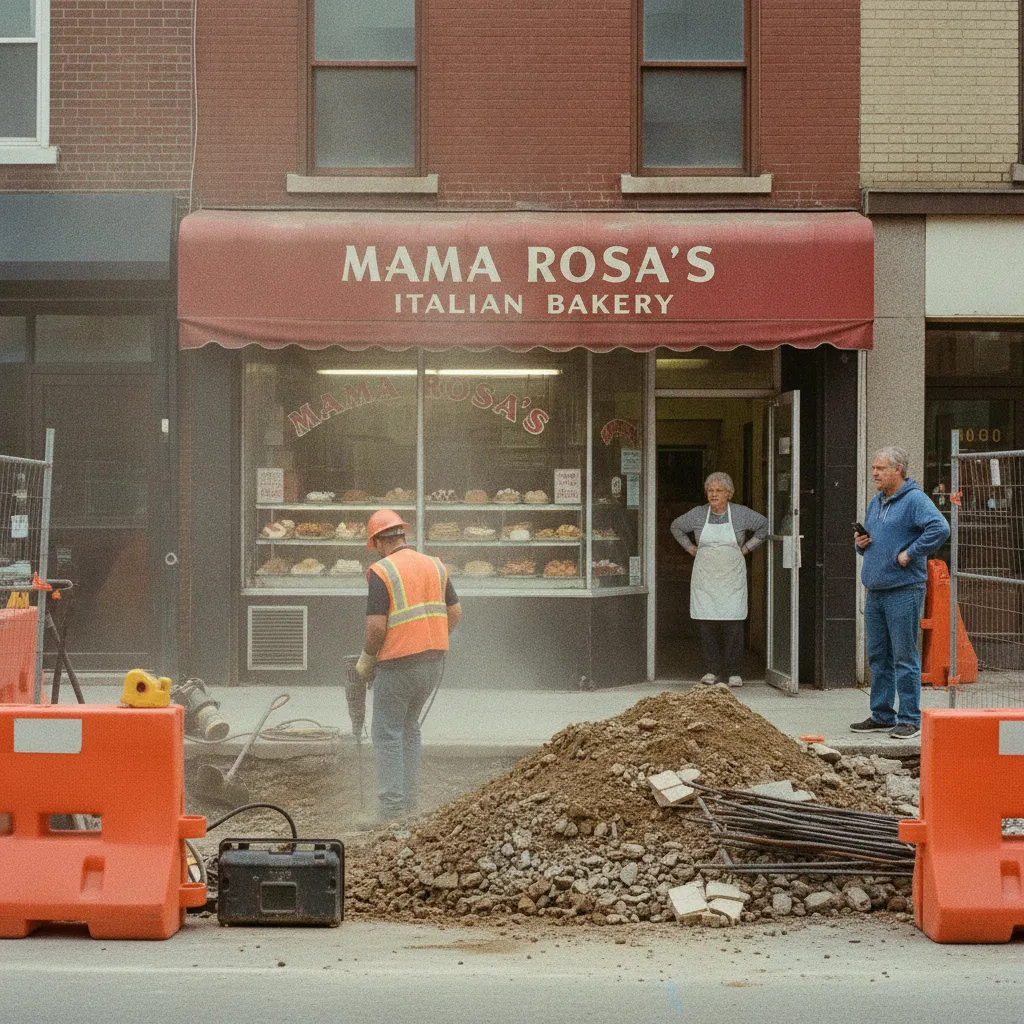
Detroit is a city in constant motion, a testament to resilience and reinvention. Major infrastructure projects like the Gordie Howe International Bridge aren't just feats of engineering; they're catalysts for profound shifts in urban dynamics. For local businesses, this isn't merely about traffic flow; it’s a fundamental change in how customers find you, interact with your area, and ultimately decide where to spend their money. Ignore these shifts at your peril. Your digital presence, specifically your local search visibility, is directly impacted by these grand designs. The physical world reshapes the digital one, and you need to be ready to pivot.
Key Takeaways
- Physical infrastructure like the Gordie Howe Bridge dramatically redefines local search parameters, altering how users discover businesses.
- Optimizing your Google Business Profile (GBP) with updated information, photos, and local keywords is no longer optional, it's critical.
- Content strategy must adapt to new search queries, focusing on location-specific relevance and providing immediate value to mobile users.
- Website speed and mobile-first design are paramount to capturing on-the-go traffic and maintaining user engagement in a fast-paced environment.
- Proactive reputation management and strategic local link building are essential for securing trust and authority in expanded or re-routed markets.
The New Search Landscape: Proximity & Purpose
The completion of a major project like the Gordie Howe Bridge doesn't just add a new route across the Detroit River; it redraws the mental maps of thousands of people daily. New commuters, tourists, and logistics operations will flow through different corridors. Businesses that once relied on specific highway exits or neighborhood foot traffic suddenly find themselves in a new local ecosystem. This impacts everything from who drives past your storefront to who searches for you online. Old assumptions about your "local" audience are obsolete.
Consider the impact of mobile search. "Mobile devices generate over 60% of global website traffic (Source: Statcounter Global Stats, 2024)." People aren't just searching from their desktops anymore; they’re doing it from their cars, while walking, or shortly after arriving in a new area. Their searches are immediate, location-aware, and purpose-driven. They're looking for restaurants near the bridge, shops with easy access from new expressways, or services convenient for cross-border travelers. If your business isn't optimized for these new, urgent searches, you're invisible.
Actionable Steps for Detroit Businesses:
- Redefine Your Service Area: Physically drive or map the new routes. Understand where the new traffic flows and identify new residential or commercial developments spurred by the infrastructure. Your perceived "local" zone might have expanded, shrunk, or shifted entirely.
- Analyze New Driving Patterns: Use tools like Google Maps traffic data (if available for future projections) or local community discussions to anticipate where people will enter and exit your vicinity. This informs which geographic keywords become relevant.
- Monitor Competitor Locations: Are new competitors emerging along the new infrastructure lines? How are they positioning themselves? Learn from their strategies and identify gaps you can fill.
Reclaim Your Territory: Google Business Profile is King
For any local business in Detroit, your Google Business Profile (GBP) is your primary digital storefront. With the Gordie Howe Bridge bringing new eyes and new routes to the city, a stale or incomplete GBP is digital suicide. This isn’t just about having an address; it’s about providing dynamic, real-time information that guides potential customers directly to your door.
Think about it: "Businesses with complete Google Business Profiles are 70% more likely to attract location visits (Source: Google Business Profile data, 2023)." That's a massive advantage you can't afford to leave on the table. A complete profile means updated hours, accurate photos, current service descriptions, and active engagement with reviews. When someone searches for "coffee near Gordie Howe Bridge," your GBP is often the first, and sometimes only, impression they get.
GBP Optimization Checklist:
- Update Location Data: If the new bridge changes how people reach you, clearly update your address, service areas, and even specific directions in your GBP. Specify proximity to new landmarks.
- Add New Photos: Showcase your location from angles relevant to the new access points. Pictures of your parking lot or entrance, especially if it's visible from a new road, can be incredibly helpful.
- Post Regularly: Use GBP posts to announce new products, services, special offers, or even operational changes related to new traffic patterns. Highlight your accessibility from the new bridge.
- Attribute Specific Keywords: Include keywords related to the new infrastructure within your GBP description and posts. Think "Detroit restaurant near Gordie Howe," "Windsor-accessible services," or "easy parking from new bridge."
- Respond to Reviews: Active engagement builds trust. Show you're attentive to customer feedback, especially if they mention new travel routes or accessibility.
For a deeper dive into making your GBP a lead-generating machine, check out our article on optimizing your Google Business Profile for local success.
Content that Connects: New Keywords, New Audiences
The opening of the Gordie Howe Bridge doesn't just change traffic, it changes conversations. People will be talking about it, searching for information about it, and planning trips around it. Your content strategy needs to reflect these new user intentions. Generic content simply won't cut it. You need specific, localized content that directly addresses the emerging needs and questions of people influenced by the new infrastructure.
Consider the shift in search queries. Before the bridge, someone might have searched "Detroit hotels downtown." Now, they might search "hotels near Gordie Howe Bridge with parking" or "restaurants in southwest Detroit accessible from new bridge." Your website content, blog posts, and landing pages must speak to these new precise queries.
| Pre-Bridge Search Queries | Post-Bridge Search Queries (Examples) |
|---|---|
| "Detroit auto repair near Ambassador Bridge" | "Auto repair Gordie Howe access" |
| "Downtown Detroit restaurants" | "Restaurants near new Detroit-Windsor bridge" |
| "Hotels in Corktown Detroit" | "Gordie Howe Bridge nearby hotels" |
Developing Hyper-Local Content:
- Create Landing Pages: Build dedicated landing pages optimized for keywords related to the bridge and its immediate vicinity. Think "Directions to [Your Business] from Gordie Howe Bridge" or "Our Services: Convenient for Windsor Visitors."
- Blog About Local Relevance: Write articles discussing how the bridge impacts local life, businesses, or specific events. How does your business fit into this new narrative? Share local tips for those using the new bridge.
- Update Existing Content: Review and refresh your current website content, integrating relevant new geographic keywords and referencing the bridge where natural and helpful.
Speed Kills (Conversions): Optimize for the On-the-Go User
In the digital age, patience is a dwindling commodity. This is especially true for local searchers who are often on the move, looking for quick answers and immediate solutions. A slow website is a death sentence for conversions.
"A 0.1 second improvement in mobile site speed increased retail conversion rates by 8.4% (Source: Deloitte, 'Milliseconds Make Millions', 2020)."
That's not a suggestion; it's a direct correlation between speed and revenue. When people are navigating new routes, trying to decide where to stop for a meal or a service, a fast, responsive website is absolutely crucial. Core Web Vitals are a confirmed Google ranking signal, meaning your page speed directly impacts where you show up in search results.
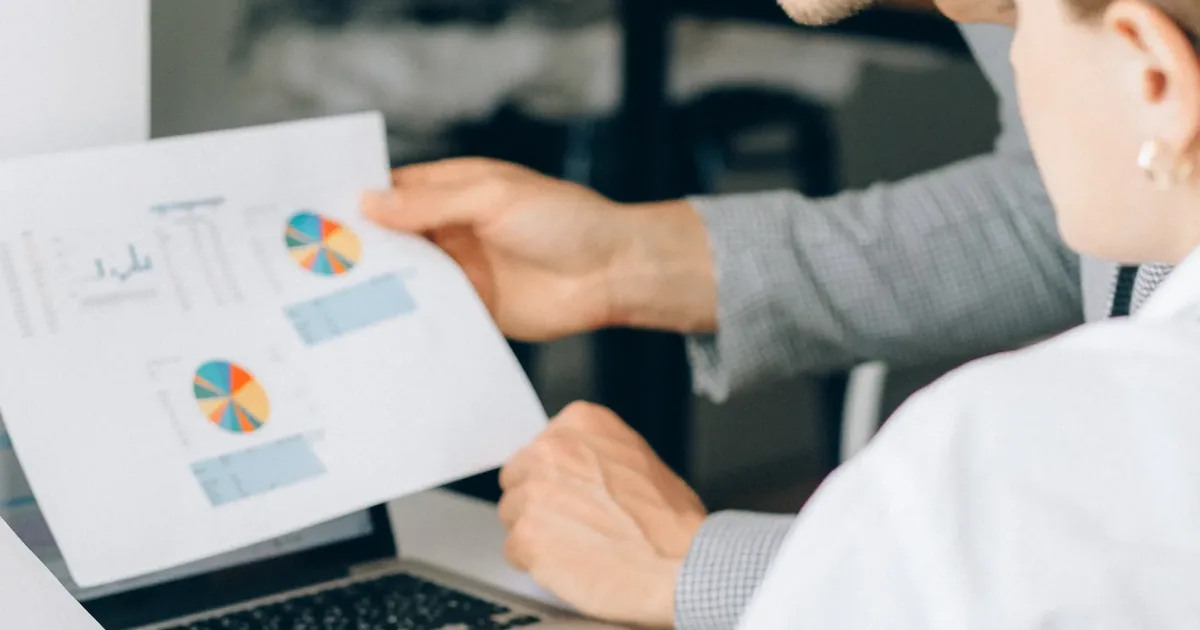
On-the-go users expect instant access to information. Your website's speed directly impacts their experience and your business's visibility.
Action Points for Website Performance:
- Prioritize Mobile-First Design: Your website isn't just "mobile-friendly"; it needs to be designed first and foremost for the mobile experience. This means responsive layouts, touch-friendly elements, and clear, concise information that loads instantly. If you haven't adopted a mobile-first strategy, you're already behind. Read our guide on mobile-first web design essentials to get started.
- Compress Images and Videos: Large media files are common culprits for slow loading times. Optimize all visuals without sacrificing quality.
- Streamline Code: Remove unnecessary CSS, JavaScript, and other code that can weigh down your site. A lean site is a fast site.
- Leverage Browser Caching: Allow returning visitors' browsers to store parts of your site, making subsequent visits even faster.
- Choose a Reliable Host: Your hosting provider plays a significant role in your site's speed and uptime. Invest in a quality host.
Reputation & Reviews: Your Digital Word-of-Mouth
New infrastructure often brings new faces, and with those new faces come new opportunities for first impressions. In an unfamiliar area, people lean heavily on online reviews to gauge credibility and quality. "87% of consumers used Google to evaluate local businesses in 2022 (Source: BrightLocal Local Consumer Review Survey, 2023)." This isn't just a trend; it's the standard. Your online reputation is your strongest asset, especially when new customers are finding you through altered search patterns.
A flood of positive reviews can be a powerful magnet, while negative ones can quickly deter curious visitors. This means managing your online reputation must be an active, ongoing process, not a passive one. Proactive engagement with your customer base, both satisfied and dissatisfied, signals that your business values feedback and strives for excellence.
Strategies for Reputation Management:
- Encourage Reviews: Actively ask satisfied customers for reviews on Google, Yelp, and other relevant platforms. Make it easy for them with direct links or QR codes.
- Respond to ALL Reviews: Acknowledge positive feedback. Address negative reviews promptly and professionally, offering solutions or inviting further discussion offline. This demonstrates excellent customer service.
- Monitor Mentions: Keep an eye on social media and local forums for mentions of your business or local area. Engage where appropriate to reinforce your brand presence.
Local Link Building: Forge Digital Connections
As the Gordie Howe Bridge reshapes Detroit’s landscape, new communities and business clusters will form. This presents a fresh opportunity for local link building – essentially, getting other reputable local websites to link to yours. These links act as digital endorsements, signaling to search engines that your business is a trusted authority in the area. This is particularly important as search algorithms increasingly prioritize local relevance and authority.
Think about the businesses, organizations, and media outlets that are directly impacted by or celebrating the new bridge. These are your natural partners for building valuable local connections. By appearing on their sites, you not only gain a referral source but also strengthen your local search ranking.
Building Local Authority:
- Partner with Adjacent Businesses: Identify businesses that might benefit from cross-promotion due to shared proximity to the new bridge. For instance, a hotel might link to a nearby restaurant, or a retail store to a local attraction.
- Engage with Local Media: Offer insights or commentary to local news outlets reporting on the bridge’s impact. Getting featured in a local article can provide a powerful backlink.
- Sponsor Local Events: Support community events in areas directly benefiting from the new infrastructure. Your business name and website on event pages can generate strong local links.
- List in Local Directories: Ensure your business is listed in all relevant local directories and industry-specific portals. Accuracy and consistency across these listings are vital.
The Gordie Howe International Bridge is more than just a bridge; it’s a new artery pumping life and traffic into Detroit. For your business, this means a new search environment, new customer journeys, and new digital demands. Waiting to react is a gamble you can't afford. Proactive optimization of your local search presence, from your Google Business Profile to your website's speed and content, isn't just smart marketing – it’s essential for survival and growth in a rapidly evolving Detroit.
Stay agile. Stay local. Dominate your corner of the new Detroit. The future of your business hinges on it.
Frequently Asked Questions
How quickly should a Detroit business update its local SEO after a major project like the Gordie Howe Bridge opens?
Immediately. Consumer search behavior changes the moment new infrastructure is usable. Proactive updates to your Google Business Profile, website content, and local keywords ensure you capture new traffic from day one, rather than losing potential customers to competitors.
What are the most important local SEO tools for my Detroit business in this new environment?
Google Business Profile is paramount, alongside Google Search Console and Google Analytics to monitor new search queries and traffic. Local citation builders and review management platforms are also critical for maintaining accurate business information and a strong online reputation as new customers discover your area.
Will the Gordie Howe Bridge really change my customer's search habits if my business isn't directly on the new route?
Absolutely. Even if you're not directly adjacent, the bridge alters regional traffic flows and accessibility, potentially bringing new customers into your wider service area or shifting local residents' routes. Customers may search for services "near the bridge" or "easily accessible from the bridge" even if your location is a few minutes away.
What's the risk of not adapting my local SEO strategy to these infrastructure changes?
The risk is significant. Without adapting, your business could become less visible in local search results as new, relevant keywords and geographic areas emerge. You'll miss out on new customer segments, lose market share to agile competitors, and essentially become digitally invisible in the transformed local landscape.
Building a strong digital presence for your Detroit business?
From captivating web design to targeted local SEO and smart automation, we craft digital strategies that match your physical growth. Let's elevate your online presence.
Start a ProjectReady to put this into practice? Visit our web design services page to see how we work.